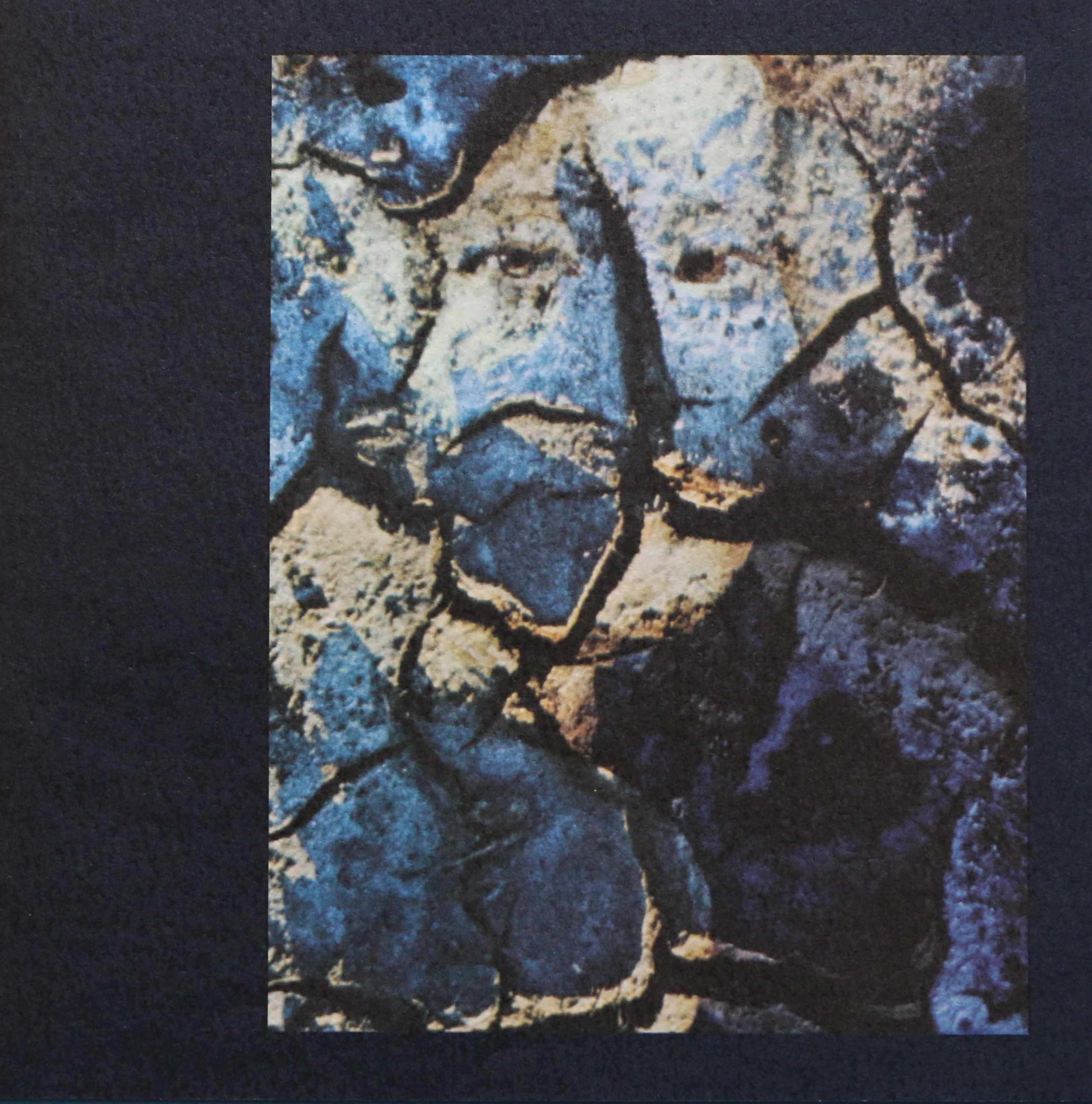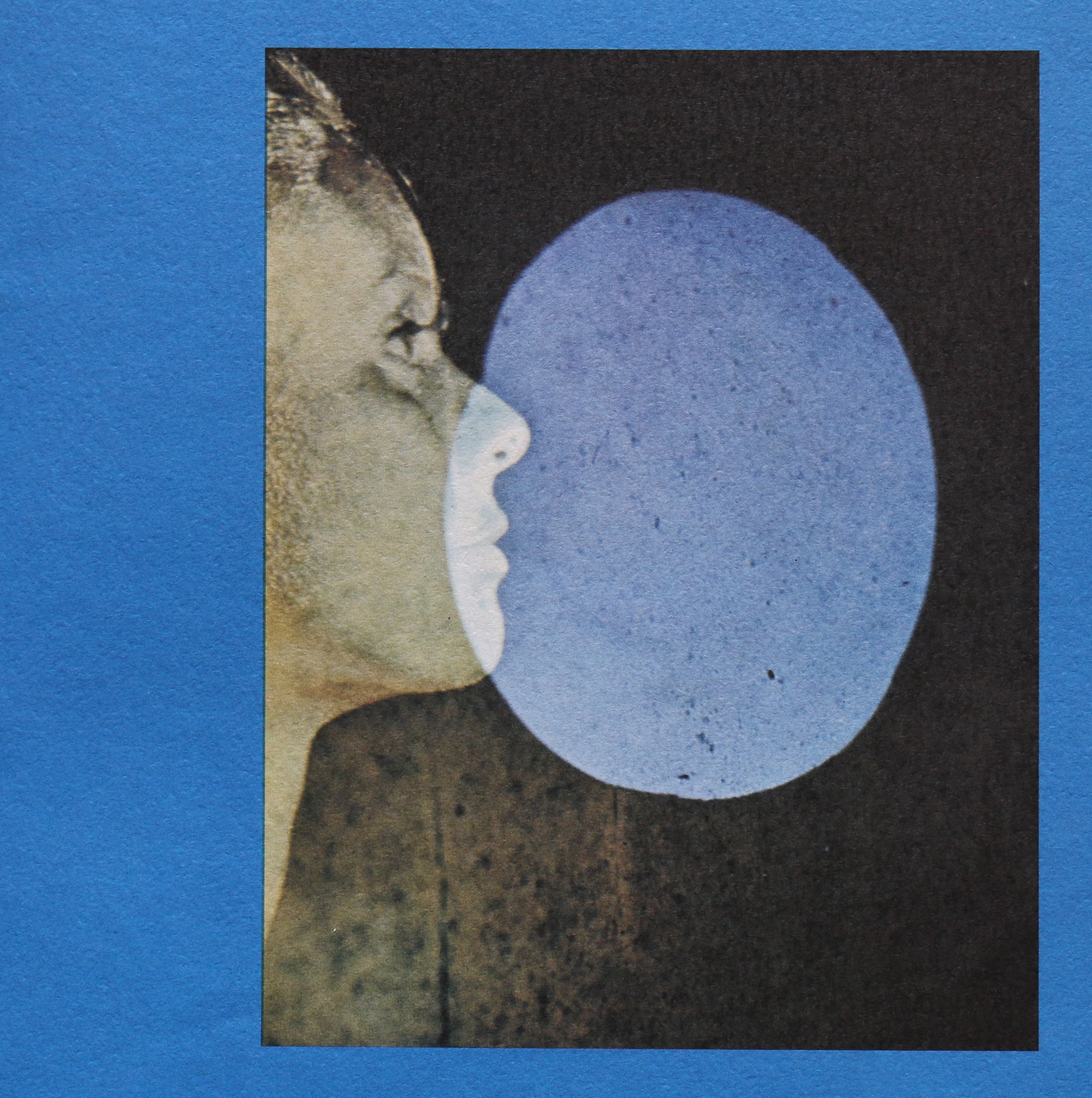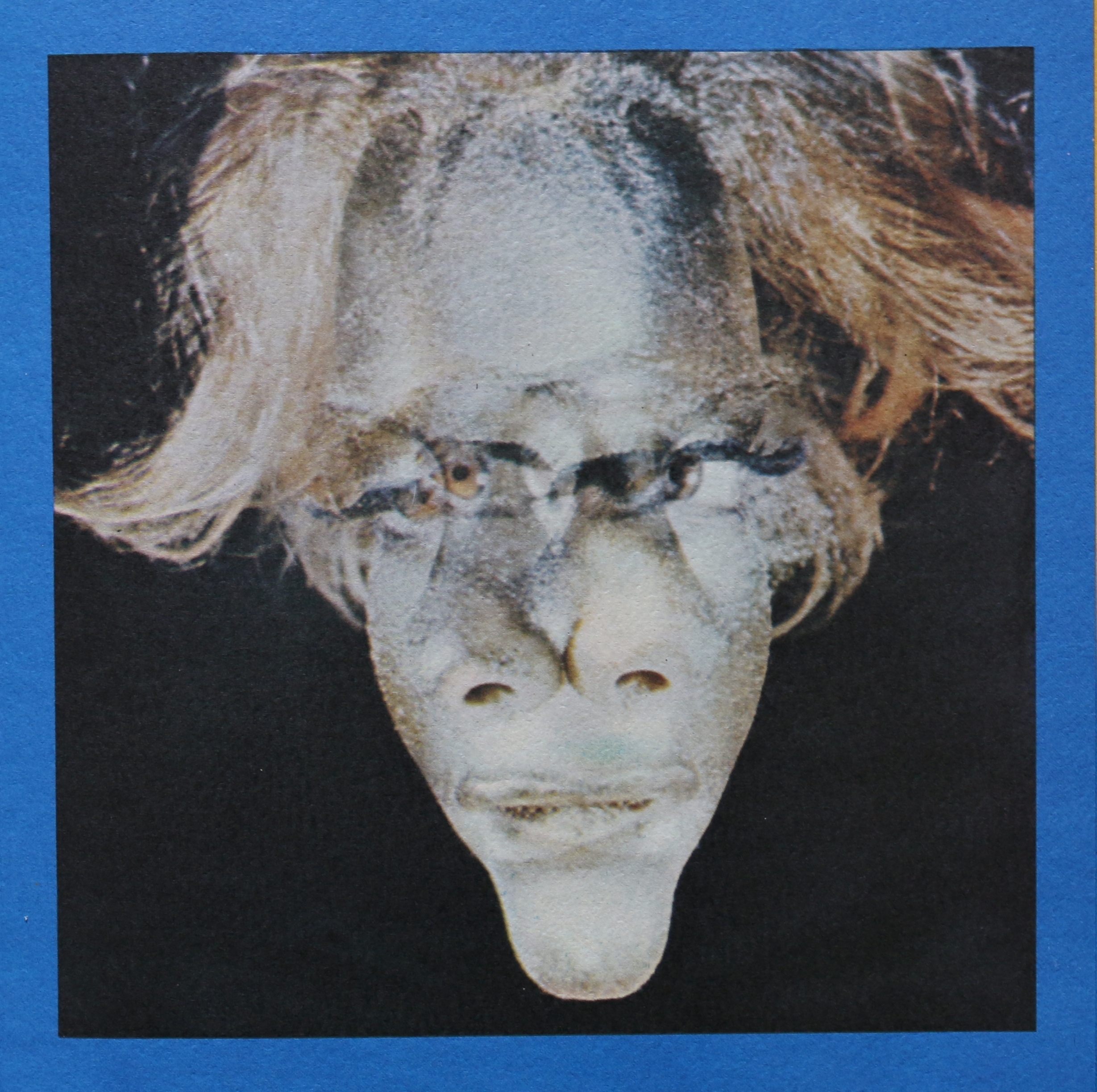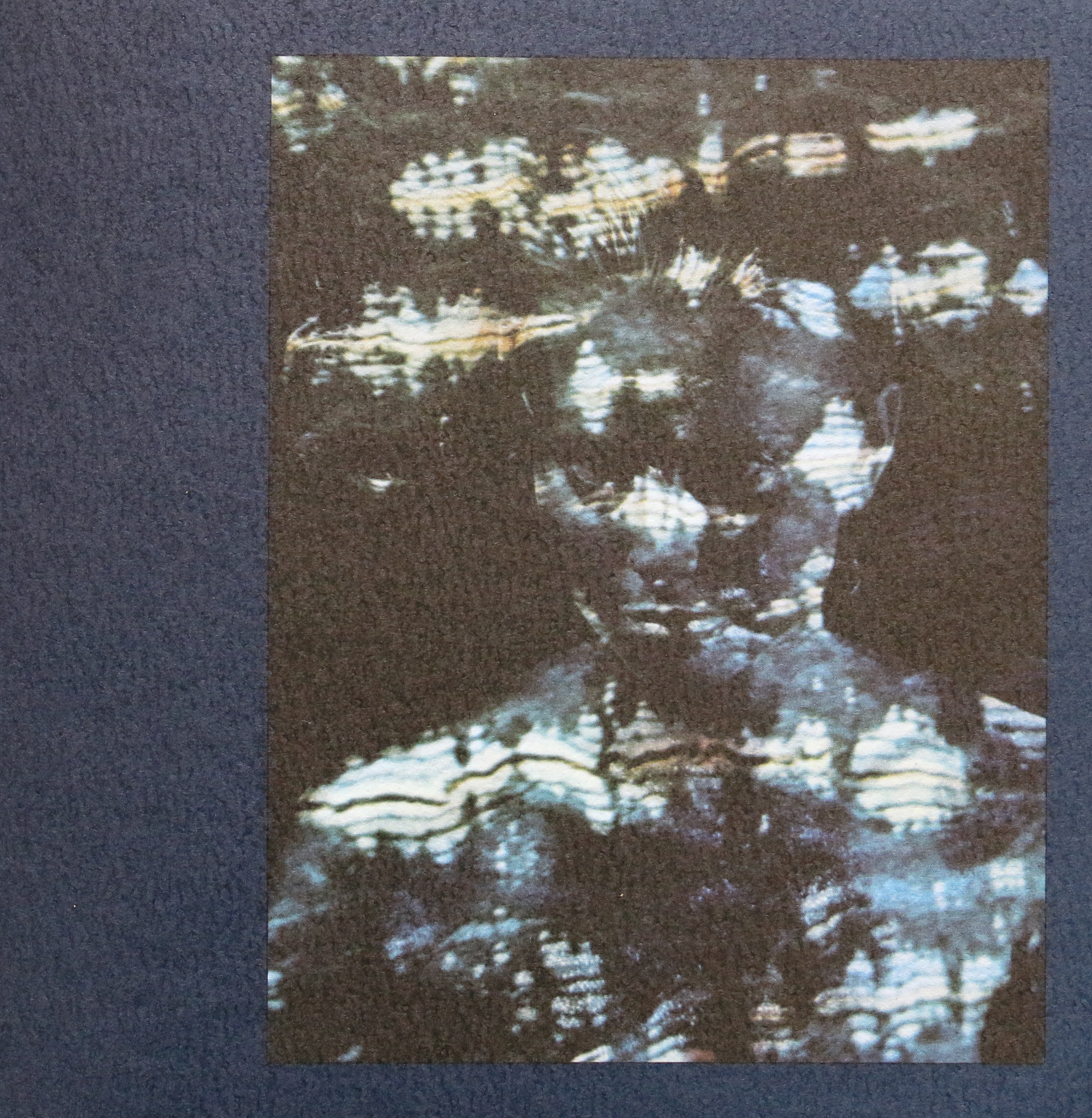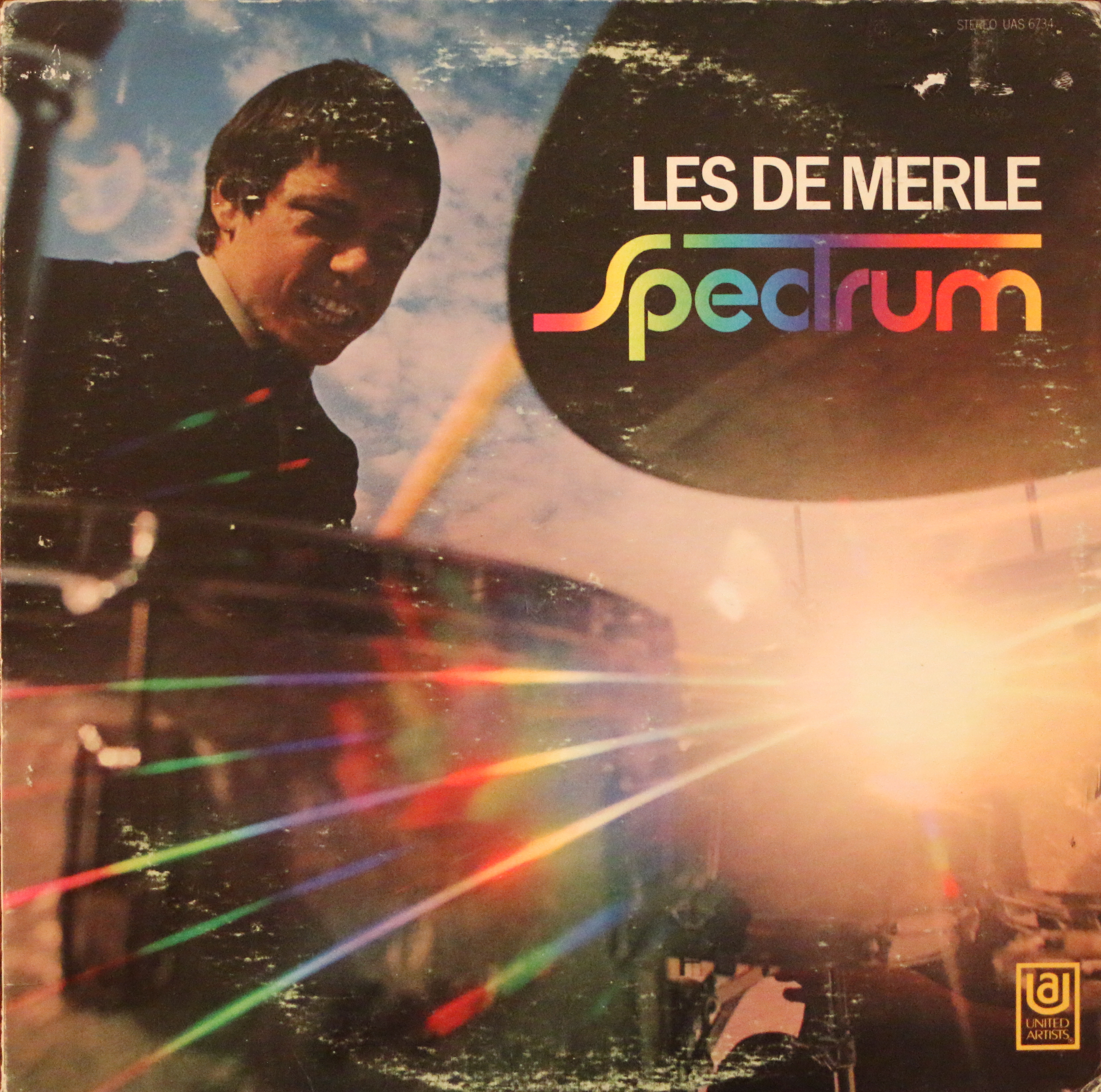
Dig Deep…For Matthew Africa: Les DeMerle – Spectrum – UA (1969)

DeMerleAfrica

Les DeMerle – A Day In The Life
Les DeMerle – Aquarius
Les DeMerle – Deflections 1, 2, 3 & 4
Les DeMerle – Underground

Today would have been Matthew Africa’s 46th birthday and every year around this time we pay tribute to him here on Melting Pot. For me there are two kinds of “Matthew Africa records,” the direct ones, which I know he had, or heard him play or had conversations about, and the indirect ones, ones that simply remind me of him, or his aesthetic in collecting. This record from drummer Les DeMerle is one of the former, in fact it even came originally from Matthew’s collection. The reason most people know this album is because it contains the original sample for one of the most cherished Golden Era tracks, O.C.’s classic “Time’s Up.” For my money, the introduction to the song, that serves as most of the sample in “Time’s Up,” is one of the greatest intros of all-time. It’s so absolutely different than the original sounds from the Beatles track, that the inspiration for it seems almost cosmic. Like so many other samples I’ve tracked down, it almost sounds like it was recorded especially for Hip-Hop trained ears to dig, chop and loop. Just an amazing sound. I’ve always been less enamored with the rest of the track, but it is a solid cover, it’s just that it gets overpowered by those first 25 seconds of the song.

For a long time I’d always thought of this album as a mere “one-tracker,” but actually there’s a lot of quality on here, if you dig the late 1960s “updated” big band style that began to incorporate Rock, Funk and Experimental elements. “Aquarius” isn’t just a solid cover of the most famous track from the musical “Hair!” it’s also a solid Brazilian flavored tune that features a clean and upbeat drum break from DeMerle. “Underground” would find a happy home on most of the Blue Note or Solid State releases from this same period of time, with it’s slinky and swinging style. “Deflections 1, 2, 3 & 4” closes out the album itself with a varied sonic assault, that showcases DeMerle’s lightning quick funky rhythms as well as the dexterity of many of the players of his band. I’d always thought that DeMerle was an older Big Band dude who was changing his style, ala Buddy Rich in the late 1960s, but he actually didn’t have much of a stint in a big band until working with Harry James a few years after this recording. Spectrum provides just that, a spectrum of sounds of the time, leaning heavy on the big-band sound, but incorporating many others as well.

As with the other few albums that I have that belonged to Matthew, this album holds a cherished place in my collection. Whenever I hear the O.C. track or the full DeMerle version of “Day In The Life,” I can’t help but think of Matthew, sitting behind the controls of the soundboard at KALX, with his box of records to the side. I don’t think there will ever be a day where I don’t miss Matthew’s presence in my life. Because of the massive influence he had on how I listen to music, I doubt there will ever come a day where his presence isn’t clearly felt in the music that I play. Eternally, rest in peace my friend.
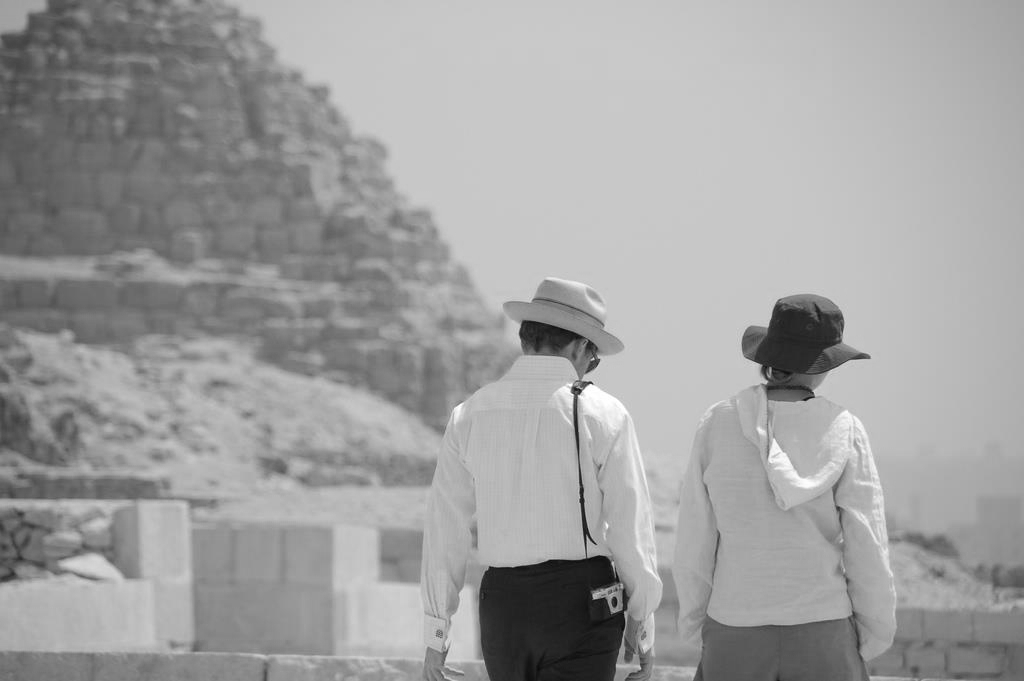

Matthew and his sister Julia Africa, during a visit to Egypt.

Since I Last Saw You…Feels Like The Whole World Has Changed

JacksonHeights

Jackson Heights – Since I Last Saw You

Right now it feels a bit like the image above, taken from the front cover of Jackson Heights’ 1970 album Kings Progress, as if some cosmic force is shaking up our little planet. After an extraordinary August, September left a great deal to be desired. I’ve been in such a funk over the last couple of weeks that I completely forgot about doing a Melting Pot Radio Hour for the past month. I was thinking I’d do it today and then remembered it’s already October. My mind and heart has been in a multitude of places, with friends going through troubles, folks in Mexico, PR, and elsewhere hit by a deluge of “natural” disasters, Blood in the streets of Catalunya as people try to exercise their friend, and of course there’s the ongoing fuckery in Washington…there’s a lot going on, and much of it seems monumentally bad. Times such as these can make sharing music on a website seem a bit unimportant. But of late I’ve been advocating to virtually everyone I speak to the importance of finding your joy wherever you can and fiercely defending it from negativity. So, I’ve been trying to still go out, dance as much as possible, and keep listening to and sharing music. “Since I Last Saw You,” is a track that I’ve been threatening to put onto a mix of mellow moody psych for what seems like forever. I’m hoping in sharing it, especially at this moment, that I’ll get back into the headspace necessary to see that mix through and provide a bit escape for weary ears. Time will tell, but I am an eternal optimist and I plan to stay a believer.

Dig Deep: The Visitors (Earl & Carl Grubbs) – In My Youth – Muse (1973)

GrubbsCover

The Visitors – The Juggler
The Visitors – The Visit
The Visitors – Mood Seekers

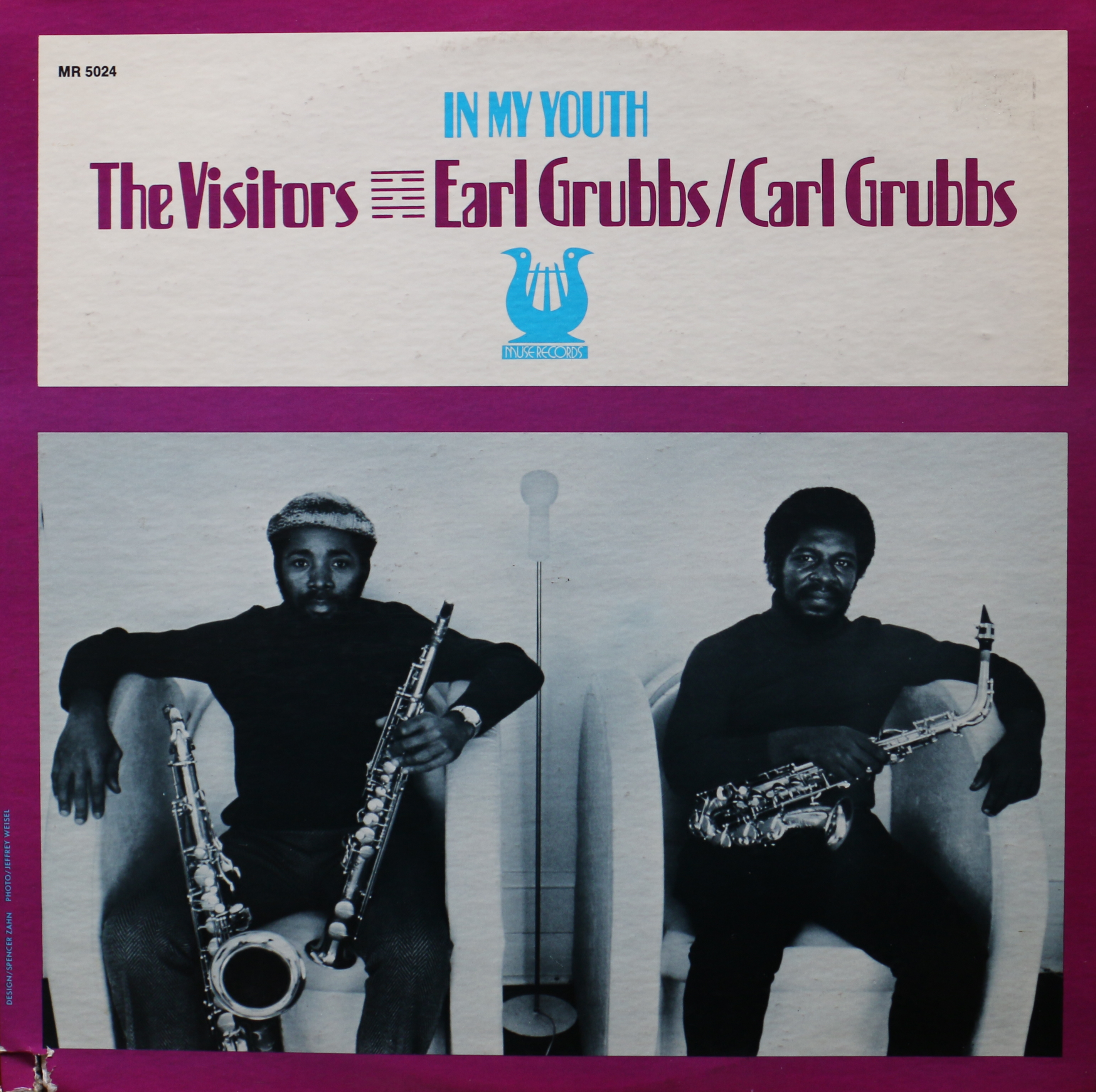
In the past month or so I’ve been filled with a great amount of joy. I’ve experienced some amazing things, met some new amazing people, deepened connections with others and just enjoyed the past month or so. The musical equivalent of how I feel, and something that gives me great joy every time I hear it’s opening notes is “The Juggler” from Earl and Carl Grubbs’ group The Visitors. It’s all in the opening call and response between the two Grubbs’ horns and then in the cascading notes that fall from both men. The only other song I could think of that gives me a similar feeling is the opening of Coltrane’s “A Love Supreme,” with Elvin Jones’ cymbal and then those truly pure notes from Trane that to me sound exactly like the first rays coming over the horizon of the new rising Sun. I haven’t settled on such a distinct picture yet for “The Juggler,” but it feels like a beautiful dancer, (or perhaps twin dancers) spinning round and round in rhythm with the horns. There are few sounds as lovely.

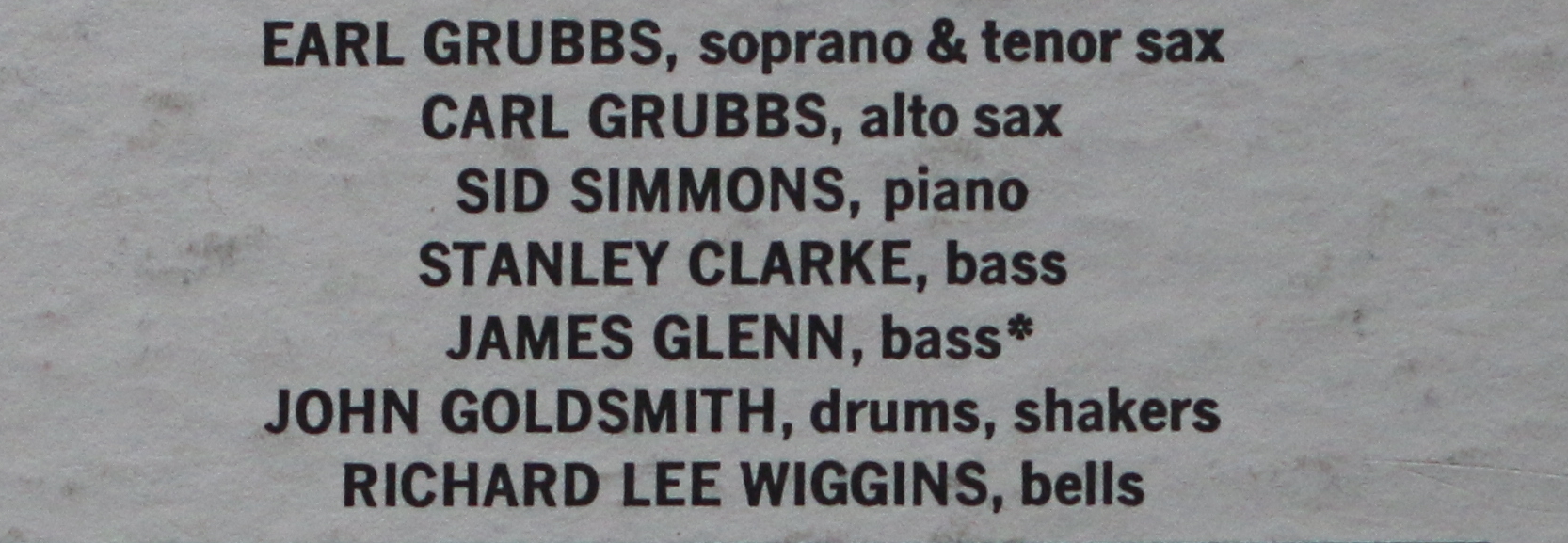
I’d actually had this record for several months before I discovered just how deeply in love I was with “The Juggler.” Even worse, this record was one that I had my eye on at Atomic for several months in 2016…I’ve bought many other records in that time, many of them quite good, but none has given me the kind of pure joy I’ve gotten from “The Juggler.” I suppose I could be bitter or regretful, but truly I’m just thankful to have run across this record at this time. The whole LP is quite lovely, The Visitors have a sound that skirts the edges of “A Love Supreme” style Spiritual Jazz, nothing too far out, but also nothing anywhere along the lines of conventional by 1970s Jazz standards. “The Visit” and “Mood Seekers” gives a sense of the rest of the LP, which also features a solid cover of Trane’s “Giant Steps.” Apparently the Grubbs were kin of Coltrane, Cousins according to Gary Giddins’ liner notes, and the influence would have been clear even without “Giant Steps” inclusion. But unlike the countless saxophone players who became Coltrane sound-a-likes in his wake, The Grubbs (along with the players listed below) follow Trane in spirit and make a joyful sound all their own in the process.

GrubbsPersonnel

Falling In Love In Modern Times…with Duster Cat

DusterCat

Duster Cat – Modern Times

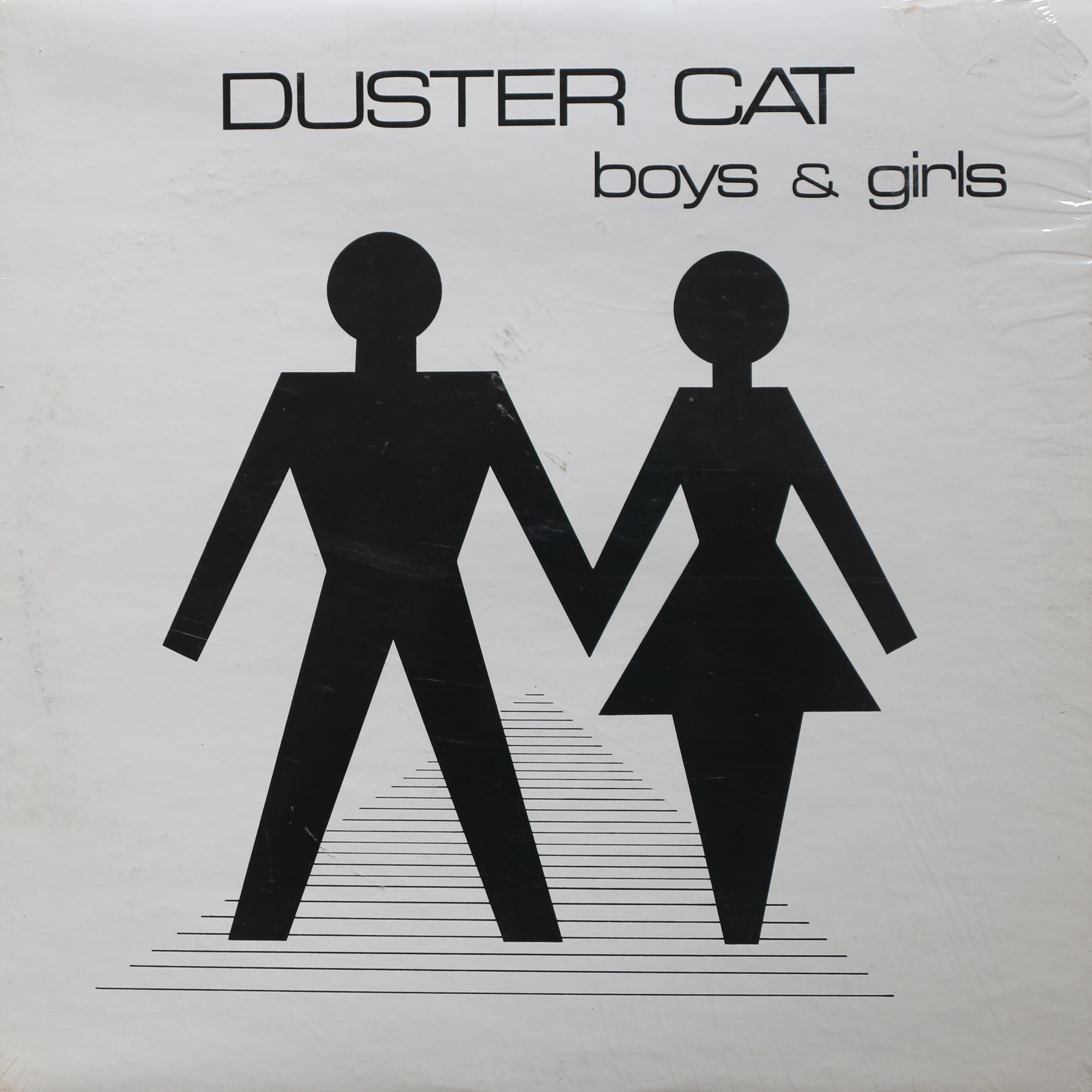
I bought this record at one of the Rappcats pop-ups last year, drawn by it’s simplistic yet striking artwork and private press feel (the album was released on Q Records out of Torrance, a record label that really doesn’t seem to have put out much else. Had I dropped the needle on anything other than “Modern Times,” I likely would have passed on this album, as the music really isn’t all that good. But, “Modern Times,” is astoundingly good. The drums are superbly produced and played, and that droning bass sound along with the acoustic guitar is so good I don’t even mind the nasally/whiny vocals. While I’ve had the idea to share the record for sometime, it’s perfectly suited, personally for this present moment that I find myself in.

This might be a bit too much information, but sharing is caring, so…recently I gave up Social Media, for the second time this year. A major part of it has to do with how I feel it affects my ability to build new relationships, particularly with women. As I sometimes joke with a few friends, I often feel like my mindset and approach to the world would be better suited to the 19th century, than the 21st century. For me, the main problem with social media/modern technology is that you have this ability to peer into another person’s life and get to know all kinds of information that in a previous period of time would have required months of direct contact. This gives a false sense of connection and, at least for me, creates problematic situations and false expectations. But the conundrum is that the very thing that screws up my expectations, is the expected means through which people in our modern times connect and get to know each other. Safe to say, I just don’t agree with these “Modern Times,” but because of that, I can totally relate to the sentiment in the first verse of this song.

“I wonder where you are tonight, I wonder why I waste my time, there’s other women in the universe, but you got me half out of my mind, why must I be the only one falling in love in modern times.”

That basically sums up at least the first half of my Summer and my primary motivating reason to leave Social Media and instead to invest more of my energy and time into building connections “IRL” as the kids like to say…something I highly suggest for all of you too.

The Beautiful Agony Of Anna Melato’s “Amara Me”

AmaraMe

Anna Melato – Amara me

Ever since first seeing Lina Wertmüller’s “Love & Anarchy,” in May, I’ve been absolutely obsessed with this song. In the film, the song is performed by Melato at a meal for the workers at a “Casa di Tolleranza,” which I suppose would directly translate into “House of Tolerance,” but is better described as a brothel. The scene serves a purpose within the narrative, establishing the awakening of love/passion between two of the main characters. But Melato’s performance is undeniably powerful within the context of the film. Taken outside of it, in this studio recording for the soundtrack, it’s nothing sort of stunning. In some instances, with languages that I don’t speak, it can be difficult to figure out what is being said. That was not the case with this song. I knew, mainly because of the desperation in Melato’s voice that this was a death/mourning song, and once I tracked down the lyrics, I was proven absolutely right.

Marè maje e scure maje,
Tu si muorte e jè che facce,
Mo me sciatt ‘e trecce ‘n facce,
Mo m’accite ‘n goll ‘a taie,

E mare mà, mare mà,
Mare maje e scure,
Mà, scure mà, scure maje,
Mo m’accite, mo m’accite, mo m’accite ‘n goll ‘a taje,

So’ na pechera spirgiute,
lu mundune m’ha lassate,
lu guaggiuone sembr’ abbaje,
pe la fame mo s’arraje.

E marè mà, mare mà,
Mare maje e scure,
Mà, scure mà, scure maje,
Mo m’accite, mo m’accite, mo m’accite ‘n goll ‘a taje,

Je a tinè na casarielle,
Mo so sule e abbandunate,
Senza casa e senza lette,
Senza pane e companaje,

E marè mà, mare mà,
Mare maje e scure,
Mà, scure mà, scure maje,
Mo m’accite, mo m’accite, mo m’accite ‘n goll ‘a taje

E marè mà, mare mà, mare mà,
E scure mà, scure mà, scure mà,
Amor, m’accite, mo m’accite, mo m’accite, ‘n goll ‘a taje

Sung in Abruzzese, a regional dialect in Southern Italy, “Amara Me” appears to trace it’s roots back to at least the 19th century, and tells the story of a woman who has lost the one she loves and in the process has completely lost her will to live. It’s a heartrending sentiment, just by itself, but when combined with Melato’s performance it’s one of the most terrifyingly beautiful songs I’ve ever heard.

Remembering Matthew Africa

MatthewAfrica

Tom Jones – Looking Out My Window

Today marks five years since the passing of Matthew Africa, one of the Bay Area’s most beloved, who died in a car accident on Labor Day, September 3, 2012. Matthew’s presence remains, for many of us who knew and loved him, with us daily. I hear it in much of the music I listen to, and I especially feel his presence when ever I spin or dance to rare funk and b-boy classics.

With this anniversary coming on a weekend, it meant that I’d be able to dance to some of the music we enjoyed while he was here, particularly during the early 2000s at the Ruby Room in Oakland, for Kitty English’s Soulvation. There are certain songs that I hear that for me are “Matthew Africa Songs.” One class of these are songs that Matthew turned me on to and that I associate with his taste. A second class of songs are ones that I know Matthew would have danced to and done his signature move, sort of like a B-boy uprock shuffle with almost punching arm movements. Whenever I hear “Quit Jivin’,” “Brand New Girl,” “I Believe In Miracles,” or “A Lover Was Born” (though with the last, I have more of my own relationship with and dance moves to go along), I can vividly picture Matthew doing his dance, which always makes my heart smile. There are also songs that combine the two, to a degree. They are songs that Matthew was connected to, and likely would have danced to, but that I never saw him dance to them.

At Funky Sole last night, I was able to pay tribute to Matthew on the dance floor, in some cases with songs (such as the Fabulous Souls “Take Me,” Harvey Scales “The Yoke,”) that were featured on his final mix, recorded just weeks before his death. But the song I probably did the “Matthew Africa” the most to last night was this one from Tom Jones. “Looking Out My Window,” is one of the harder and funkier tracks from Jones’ career, and with a well placed super heavy drum break, it’s no real surprise that it ended up on volume 4 of the classic Ultimate Breaks and Beats collection. Matthew was actually responsible for getting a digital version of the complete UBB collection for KALX Berkeley. It was one of the last things I copied from the station before moving to LA in 2007. 10 years since living in the Bay, 5 years without Matthew, with only memories to remain. But in those moments where these songs are playing, the distance between us doesn’t seem so far, and when I close my eyes on the dance floor, it’s almost like I can feel Matthew right there dancing nearby…Rest In Peace, Forever, Matthew Africa.

Dig Deep: Pete Willsher & Tony Kelly – Images – Studio G (1981)

ImagesCover

Willsher and Kelly – Moon Gliding
Willsher and Kelly – Sahara Sunshine
Willsher and Kelly – Foggy Dock
Willsher and Kelly – Cyborg

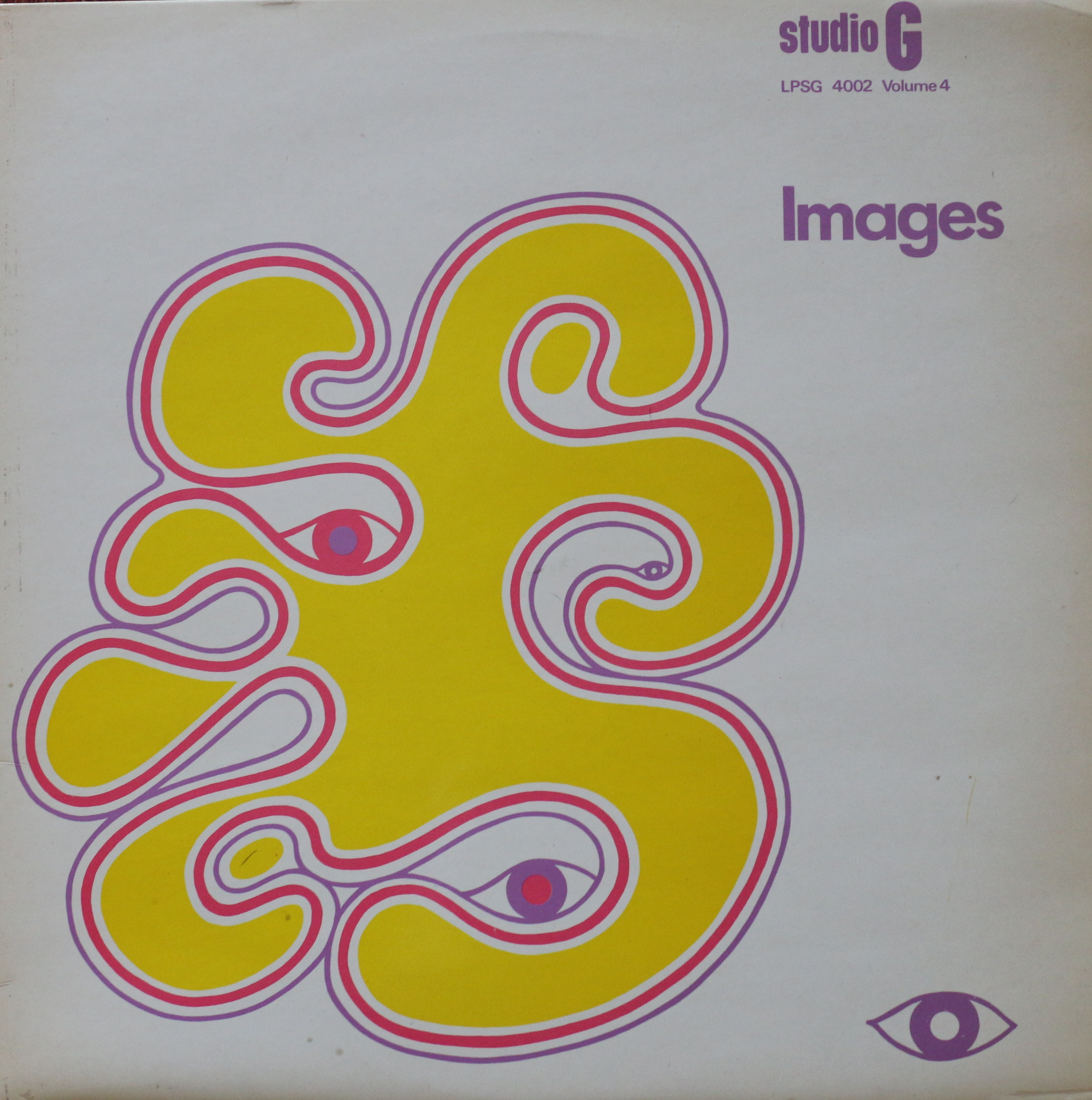
Was talking to my friend Emerald today about Karriem Riggins’ production on Common’s song “Unfamiliar” which samples John Cameron’s “Half Forgotten Daydreams,” a library record I’ve been on the hunt for for years. Thinking about that Holy Grail library record, reminded of this one, picked up in January at the Groove Merchant pop-up here in LA.

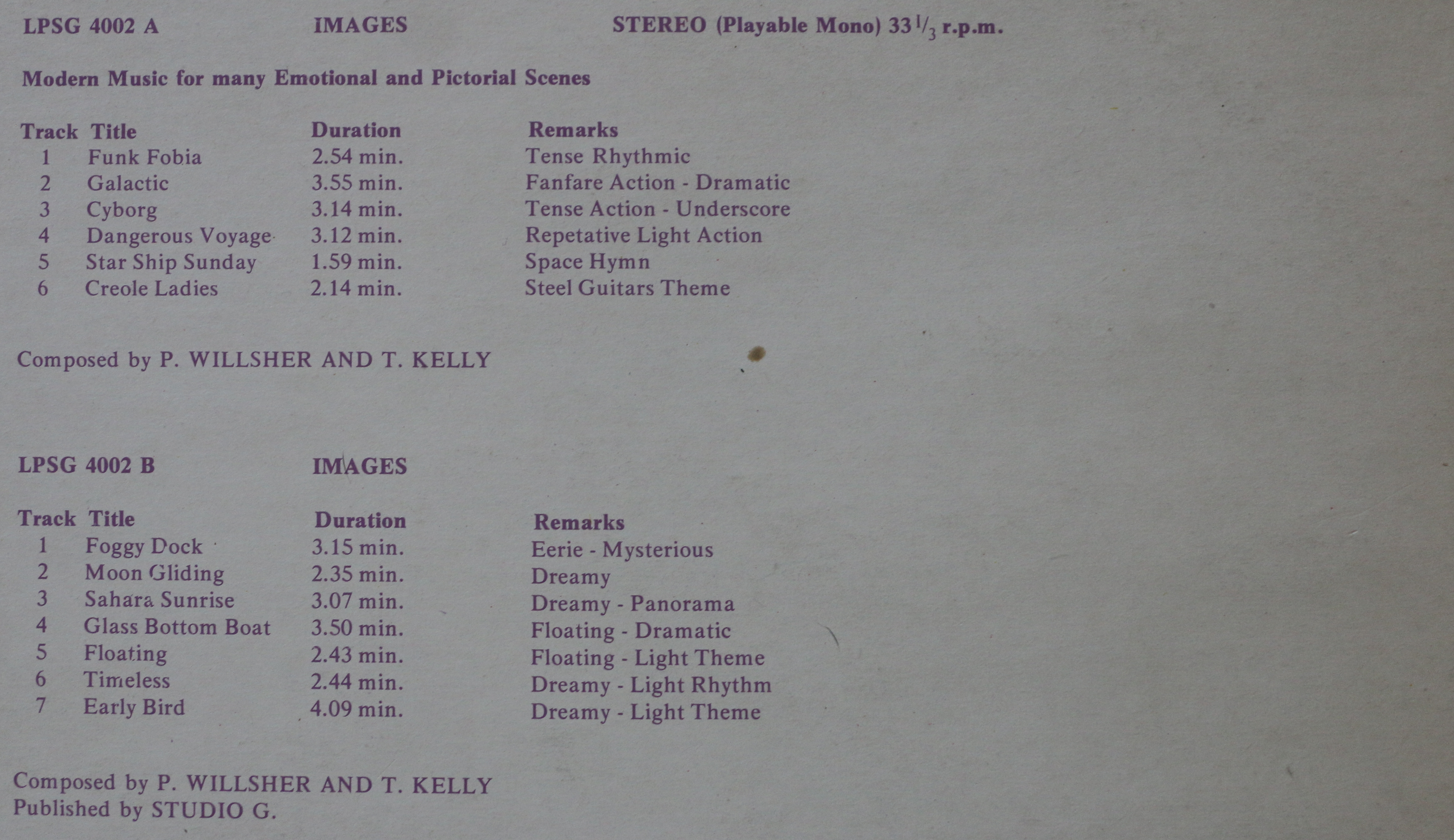
Don’t know much about Pete Willsher and Tony Kelly, or if any of this music was used in either films or tv shows, but I do know that “Moon Gliding,” is one of the loveliest, most ethereal mood pieces of music I’ve ever heard. It sounds like waking up on the beach to a full moon illuminating the ocean, an experience that I actually had earlier in the week (though it was a half moon, and I was leaving Afro Funke’s Venice get down, but it sorted felt like I had just woken up). I dig the rest of the sounds from this album, especially the moody “Foggy Dock,” and look forward to finding out if anyone has sampled these sounds, or perhaps creating an opportunity for someone to find them and create new music from this soundscapes.

ImagesTitles

ImagesEye

The Ecstatic Music Of Alice Coltrane TuriyaSangitananda & the Sai Anantam Ashram

TuriyaCover

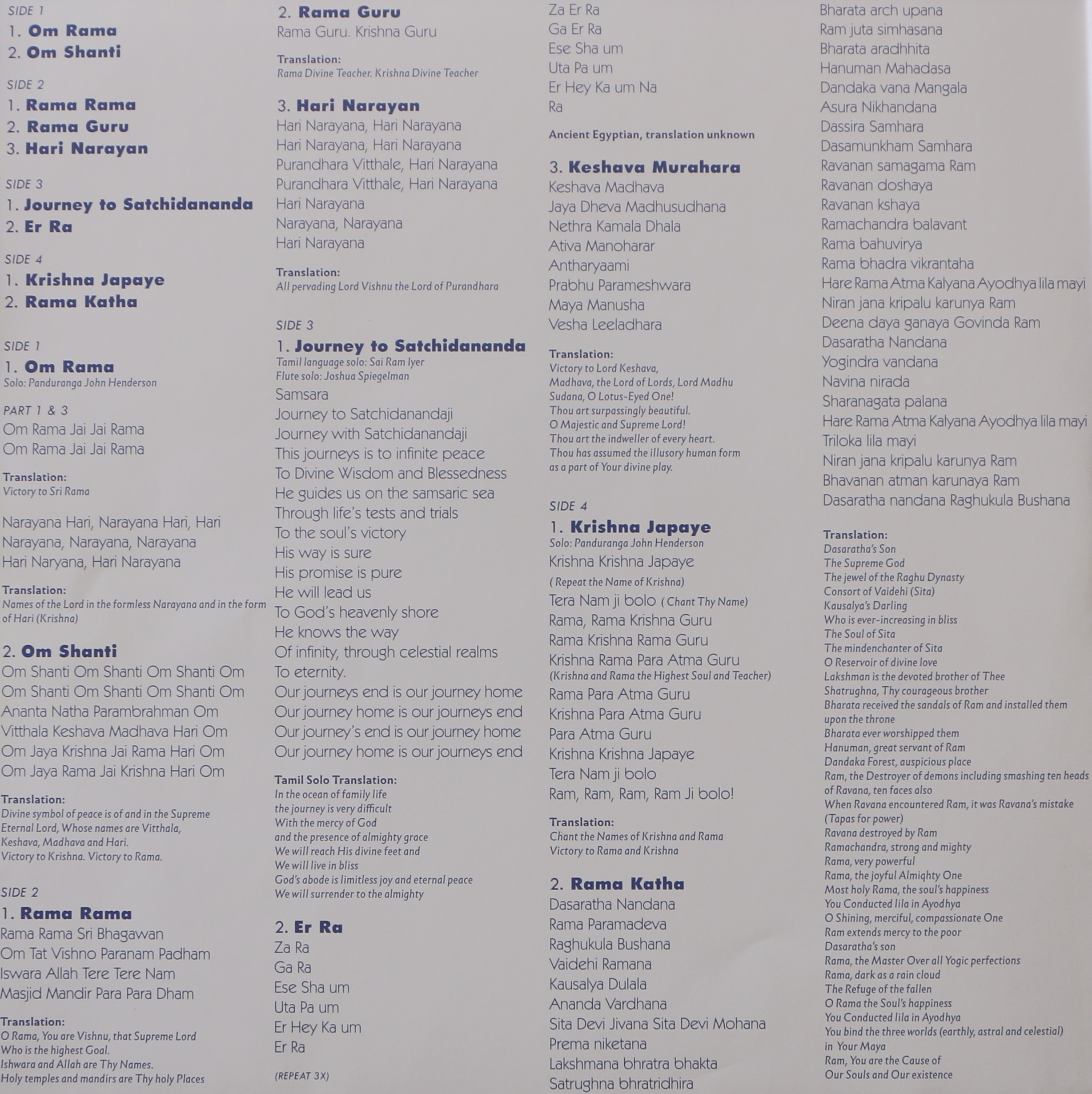
Alice Coltrane – Om Rama
Alice Coltrane – Rama Rama
Alice Coltrane – Er Ra

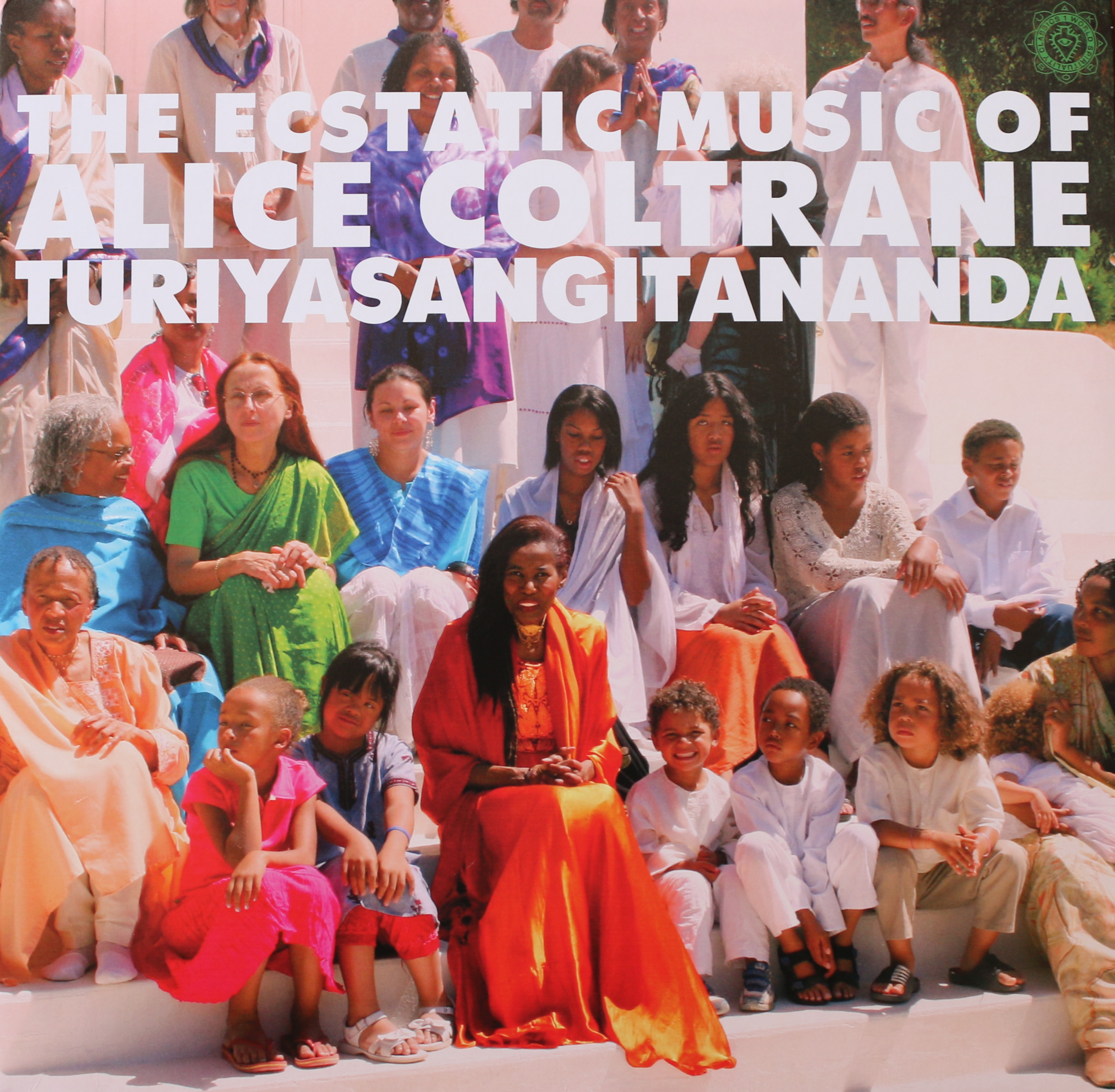
For the better part of the past decade, I’ve always been curious about the very rare cassette recordings of devotional music that Alice Coltrane recorded in the 1980s and 1990s. Though I’d been a fan of her music many years prior, it was only around the time I moved to LA that I heard about these recordings. Further, I had no idea that the place where she worshipped and gave spiritual counsel was still in operation and less than an hour’s drive from LA proper. Thankfully, the good folks at Luaka Bop have put together this compilation to make these recordings more well known than they had previously been.

While the sound of these recordings fits within some of the recorded material Coltrane had become well-known for in the 1970s, it also stands apart and on it’s own as a singular artistic achievement. There is an obvious influence, particularly in the use of Vedic chants, with spiritual music associated with parts of India, but Coltrane also incorporates aspects of her Jazz, Blues and Gospel heritage, to produce this unique sound.
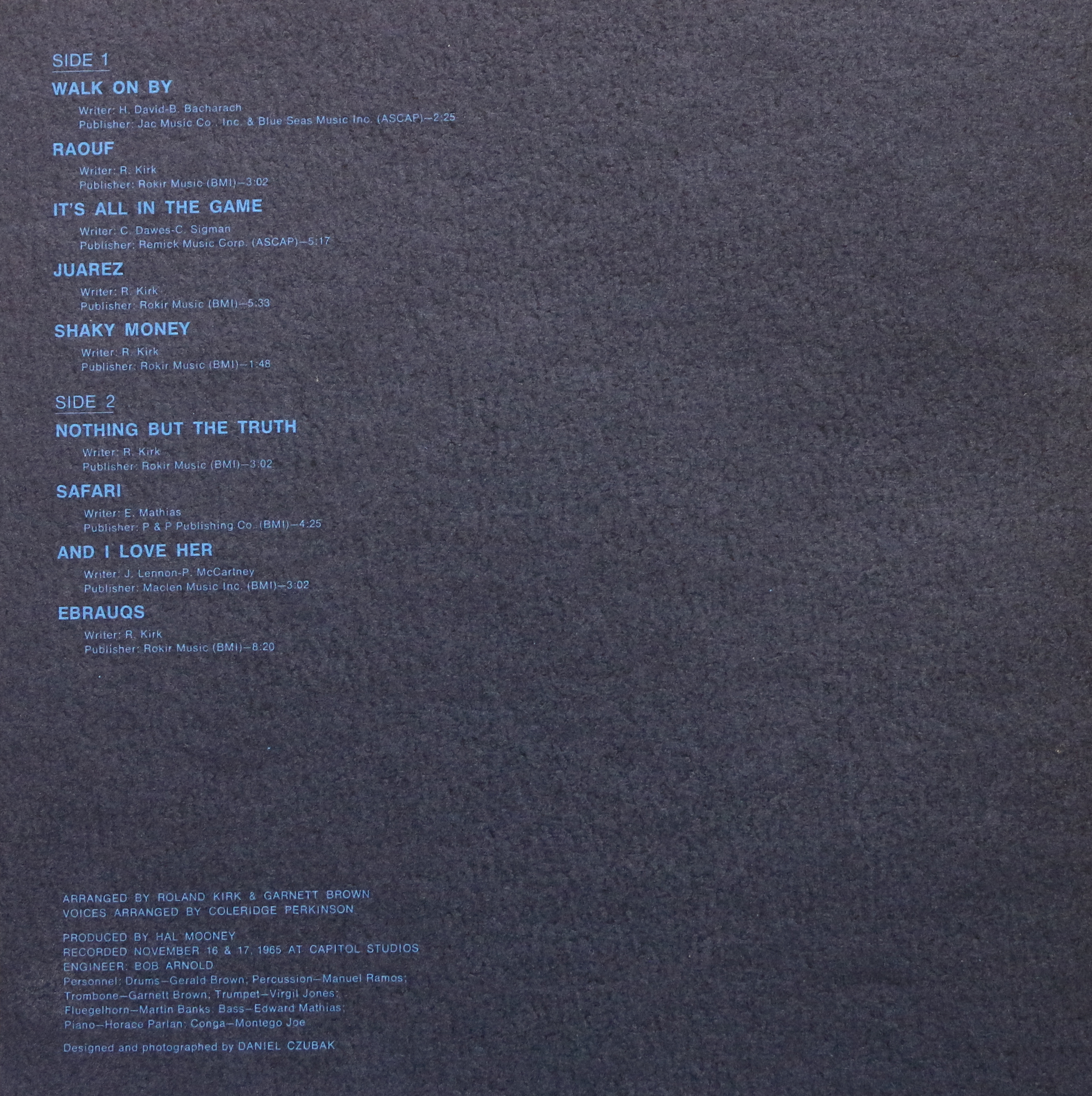
TuriyaInsert

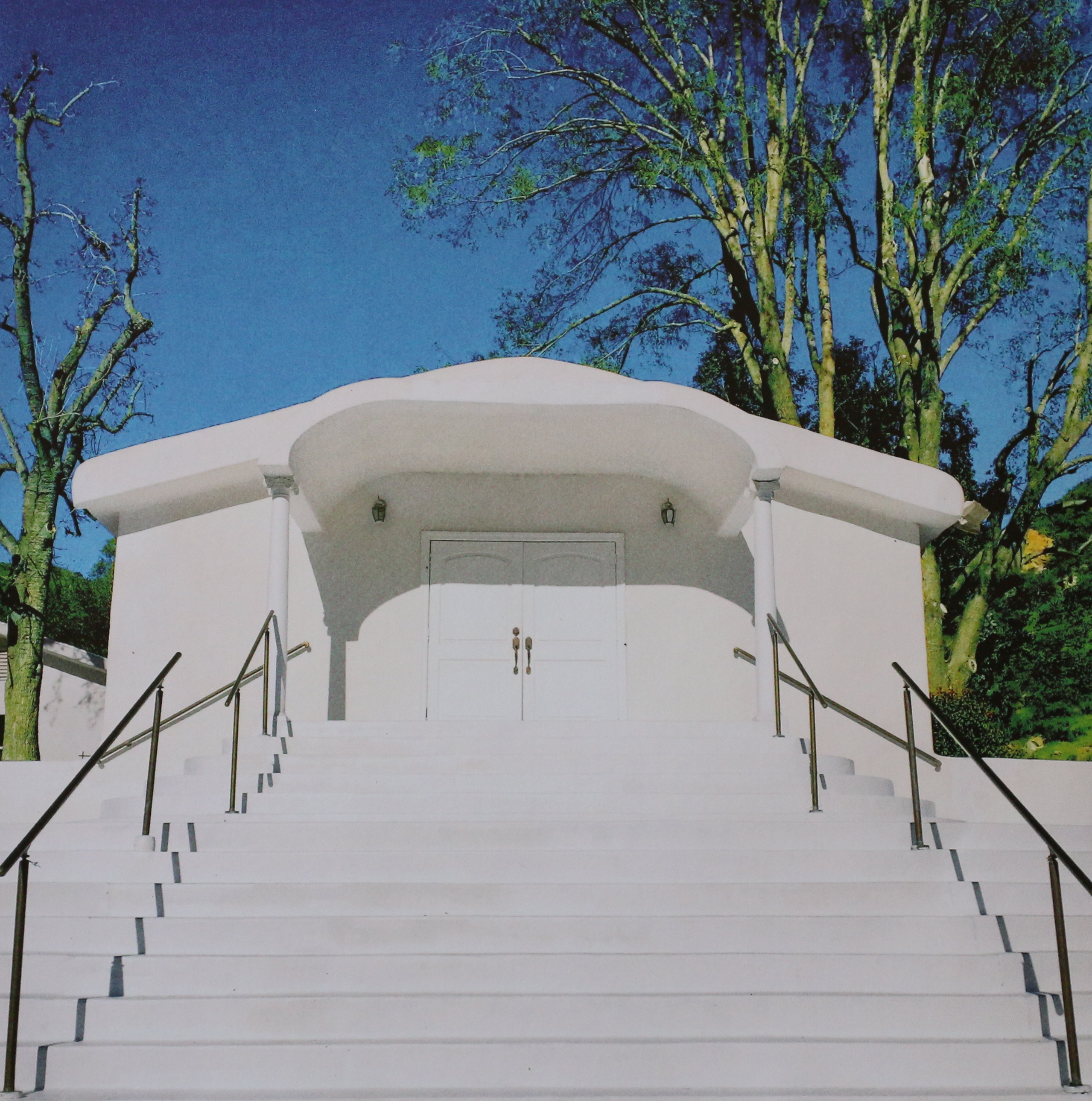
Joining Coltrane on these recordings are members of her spiritual community. On Sunday, August 27th, Alice Coltrane’s 80th birthday, I had the extremely good fortune to attend what was described as a “Appearance Day Observance” at the Sai Anantam Ashram. As with the Eclipse at the beginning of last week, I feel at a loss for words to describe how beautiful the entire experience was. I’ve attempted to describe everything I saw, but running down everything that I saw and experienced seemed to not do the moment it’s full majesty. As a religious service, it was one of the most spiritual events I’ve ever witnessed. What was most clear was the genuine and deep affection members of the Ashram had for Coltrane, or Turiyasangitananda as she was more often called in the company of these people during her later years. For this service, or what they described as an “Appearance Day Observance,” to celebrate Coltrane’s birth, several members of the Ashram spoke about her influence in their lives, from the kindness she had shown them, to even larger moments of spiritual rebirth/reflection that she guided them through. One of the members even performed a cover of Joni Mitchell’s “Woodstock,” changing the lyrics to fit Coltrane and the Ashram’s community.
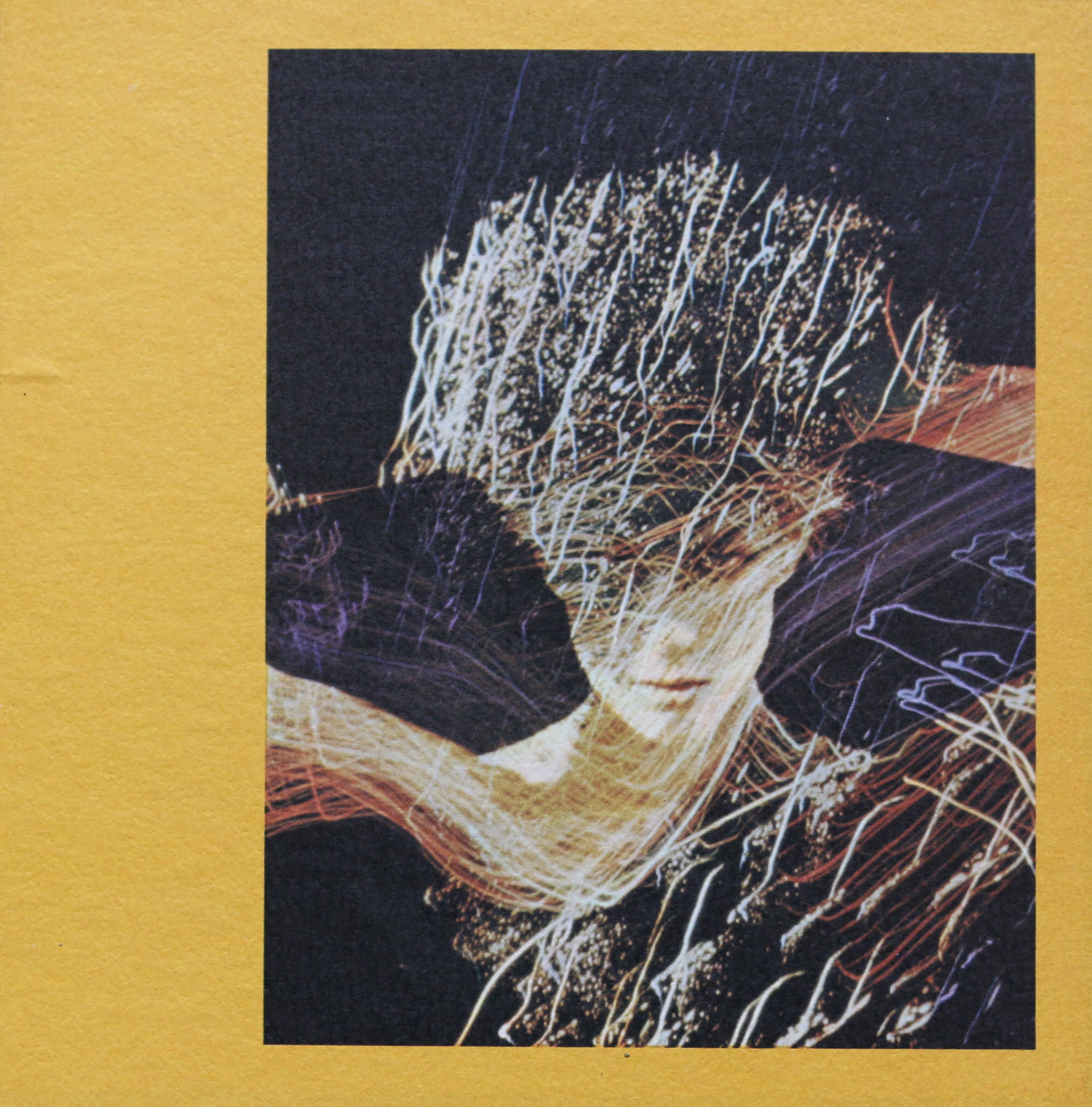
Shortly after that, a man began to play out a number of melodies on a keyboard/synthesizer, melodies which I now recognize because of the music on this collection. The members of the Ashram were not separated, nor were they given a privileged space, from the other people who did not directly belong to it, but had come to celebrate Coltrane’s life and music. As such, people scattered throughout the room would have additional instruments to play, several types of drums, flutes, tambourines, shakers, etc.

In contrast to most worship services I have attended, where the musicians/choir are seated/standing together separate from the congregation, the members of the Ashram were dispersed and as such, instead of being in contrast and separate to everyone else, they blended in, giving the effect that there were even more voices singing. The musical part of the service went on, non-stop, for over two entire hours. It was just too much for a few people, quite a number of which left well before the music ended. The keyboardist also played around with people’s expectations, because every time it seemed like a song was going to end, he would suddenly shift tempos, and a new song would begin. These false endings must have happened 7 or 8 times, and each time we would lose a few more stragglers. In some ways I felt like the length of the performance was a weeding out process to see who was really serious about celebrating this woman’s life. Sitting through every single moment of each song was an extraordinary experience.

The man playing the piano, once he finally finished, having played non stop for over two hours, knelt in prayer besides one of the pictures of Alice Coltrane. I heard him mention something to the effect of, “Thank you for letting me be your son,” though I didn’t recognize him as any of the sons she had had with John Coltrane. It’s possible that when he said that he meant it in a different way, but the emotion of the moment was overwhelming for him as he quite literally leaned on the shoulder of one of the other Ashram members and began to weep deeply.

I found the experience also deeply emotional and would highly recommend a visit if you are ever in the Los Angeles area on a Sunday (services are generally at 1pm). I’m not sure if the Ashram, and the surrounding area, are still up for sale, or will be sold in the near future, but for the time being, it fills my heart with great joy that every Sunday, the people who loved her and knew her best most. The music on this collection is a testament to that love and devotion, A True Love Supreme.

TuriyaAshram

People should also take note that there will be a performance of much of this music on October 29th, as part of the Red Bull Music Academy Music Festival here in Los Angeles.

Melting Pot Radio Hour – Episode #9: Alice Coltrane Birthday Tribute!

ColtraneQuote

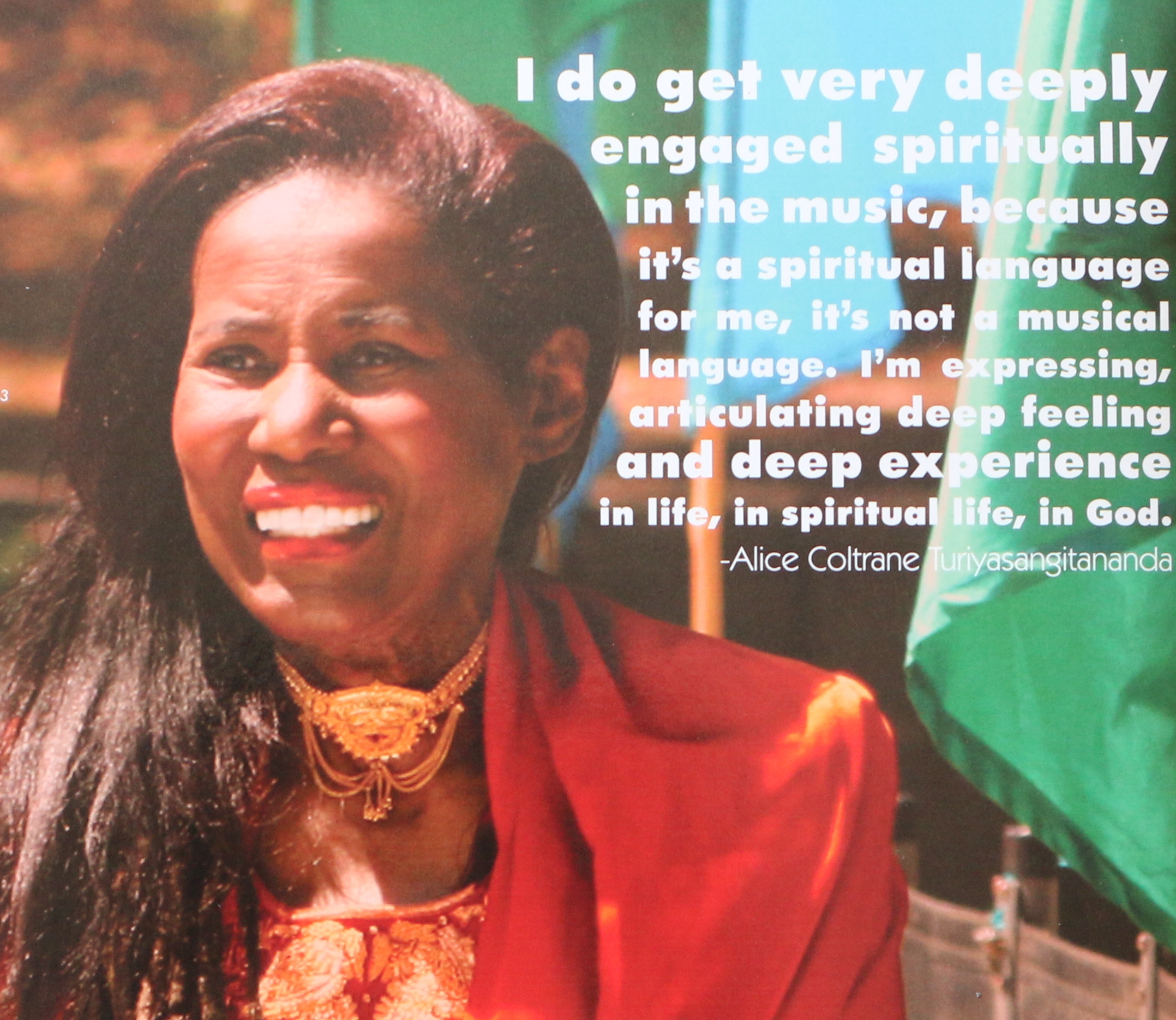
As today marks 80 years since Alice Coltrane first stepped into our world, I wanted to pay tribute to her on this month’s Melting Pot Radio Hour. This week there has been a lot to celebrate, as it has been a week full of birthdays. My birthday (along with my friend and birthday twin Emerald) was on Eclipse Monday, and then two other friends on Wednesday and Saturday. In fact, most of this show is connected to a mix that I made for a dear friend to give to her on her birthday this past week. I’ve added a couple of songs from the recent collection The Ecstatic Music of Alice Coltrane Turiyasangitananda, released by Luaka Bop (soon to be highlighted in a separate post, which will also include pictures from Alice Coltrane’s Ashram, which is still operating here in the Los Angeles area), to give an even fuller picture of her extraordinary artistry.

Melting Pot Radio Hour – Episode #9: Tribute To Alice Coltrane

Tracklist:
{opening theme} La Banda Colorado – South Chicago Mama (Melting Pot) – In Memory Of Jimmy Dan Song (CB Records)

~~~~ Break ~~~~

1. Alice Coltrane – Rama Rama – The Ecstatic Music Of Alice Coltrane Turiyasangitananda (Luaka Bop)
2. Alice Coltrane feat. Swami Satchidananda – Galaxy In Satchidananda/A Love Supreme – World Galaxy (Impulse)
3. Alice Coltrane – Spring Rounds from Stravinsky’s Rite Of Spring – Eternity (Warner Bros.)
4. McCoy Tyner feat. Alice Coltrane, Wayne Shorter, Gary Bartz & Elvin Jones – Celestial Blues – Extensions (Blue Note)
5. Alice Coltrane – Wisdom Eye – Eternity (Warner Bros.)
6. Alice Coltrane – Om Supreme – Eternity (Warner Bros.)
7. Alice Coltrane – Turiya And Ramakrishna – Ptah, The El Daoud (Impulse)
8. Charlie Haden & Alice Coltrane – For Turiya – Closeness (Horizon)
9. Alice Coltrane – Er Ra – The Ecstatic Music Of Alice Coltrane Turiyasangitananda (Luaka Bop)

~~~~ Break ~~~~

{closing theme} Alice Coltrane feat. Pharoah Sanders and Joe Henderson – Blue Nile – Ptah, The El Daoud (Impulse)

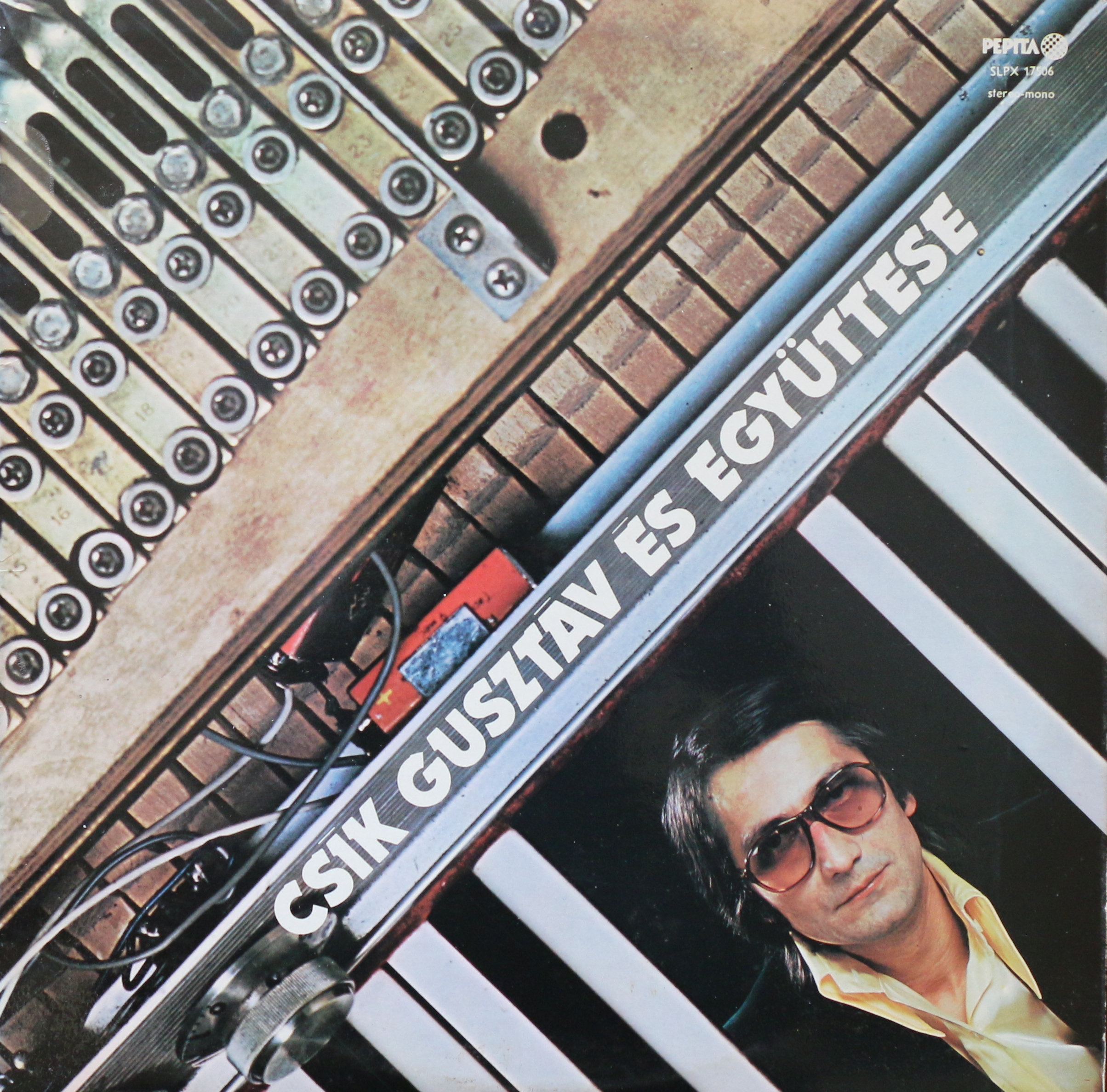
Dig Deep: Gusztáv Csík Quartet – Csík Gusztáv És Együttese – Pepita (1977)

CsikGusztavCover

Gusztáv Csík Quartet – Cameleon
Gusztáv Csík Quartet – Álmodozás
Gusztáv Csík Quartet – Ritmusváltások

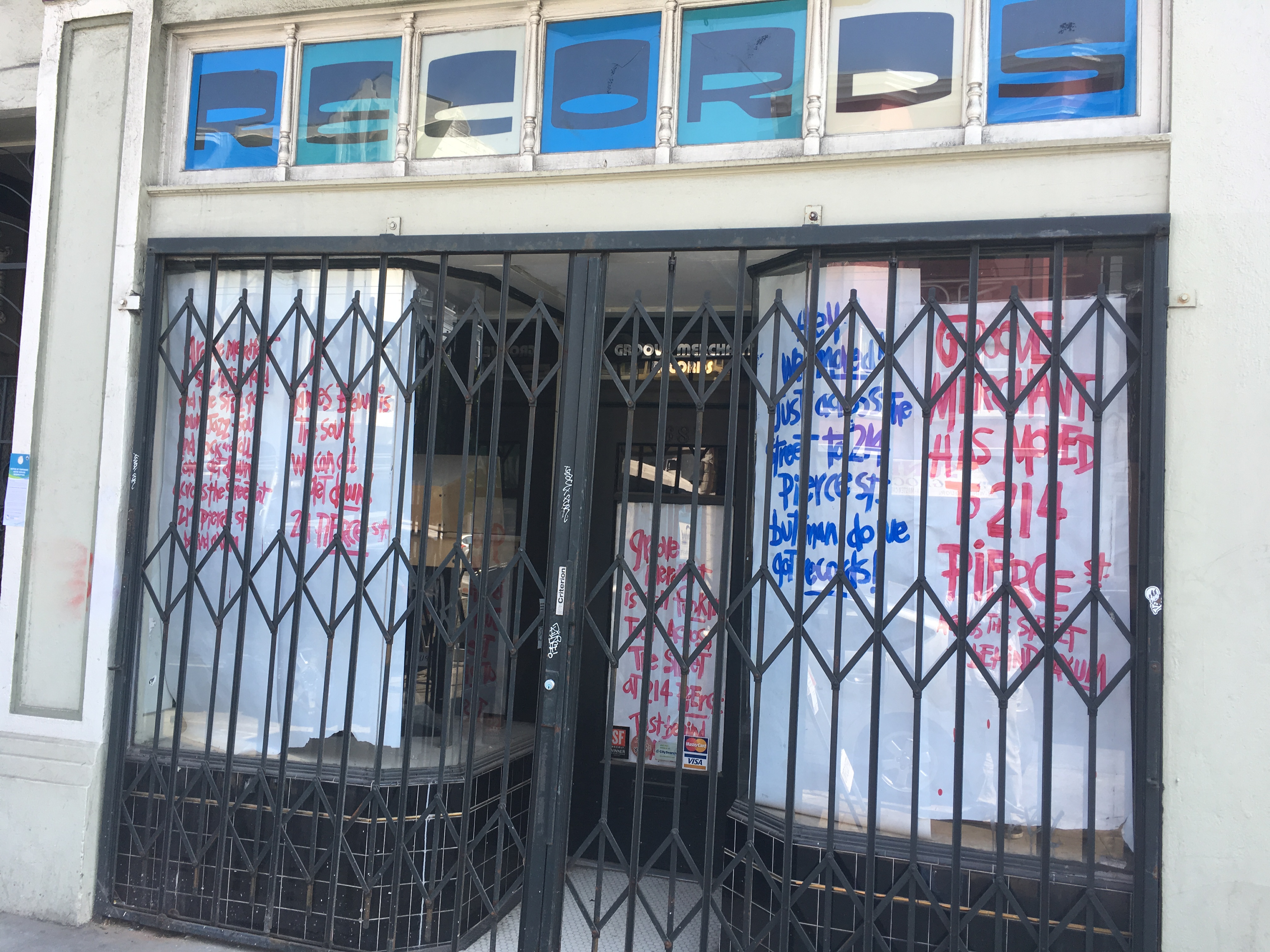
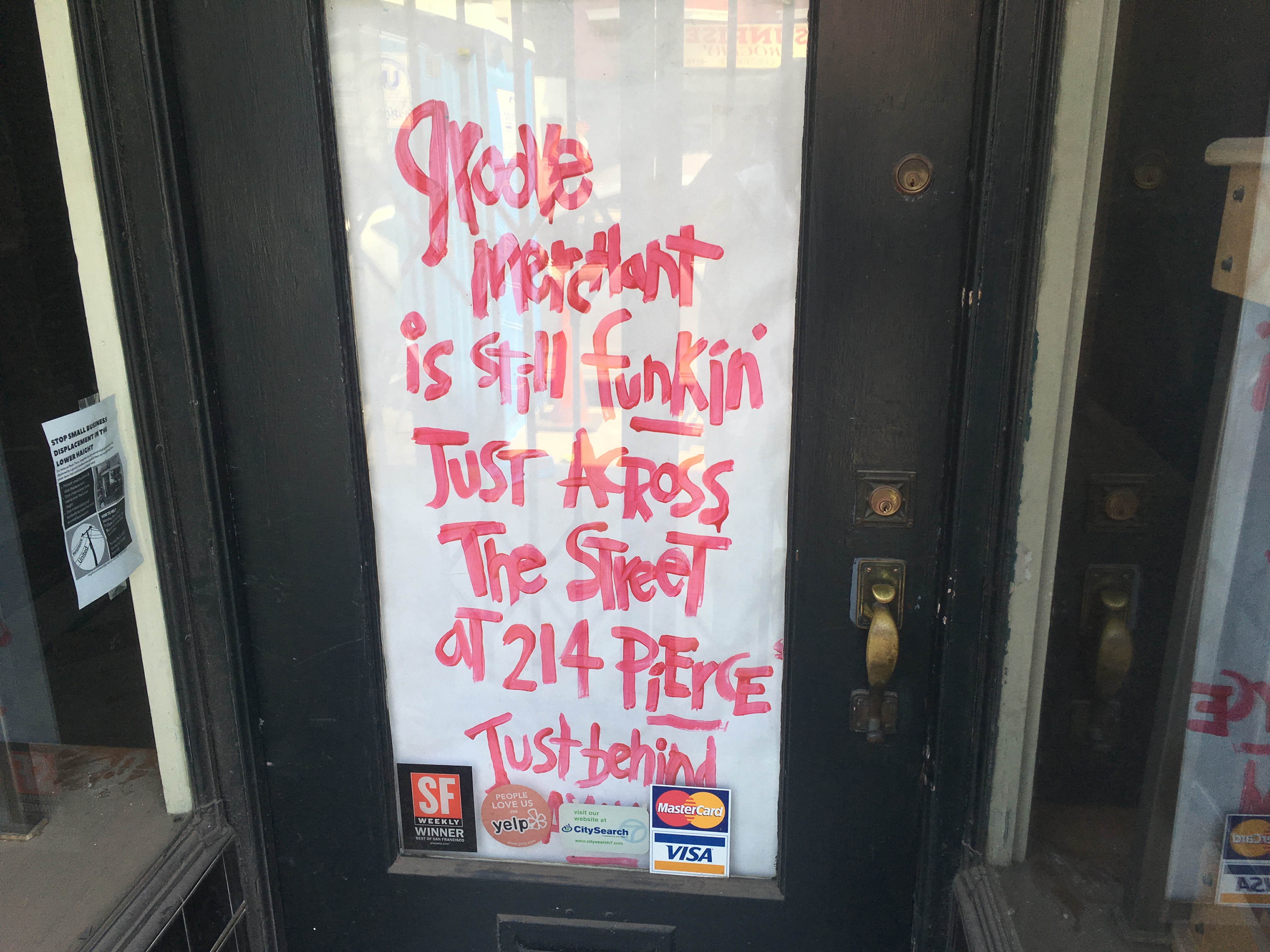
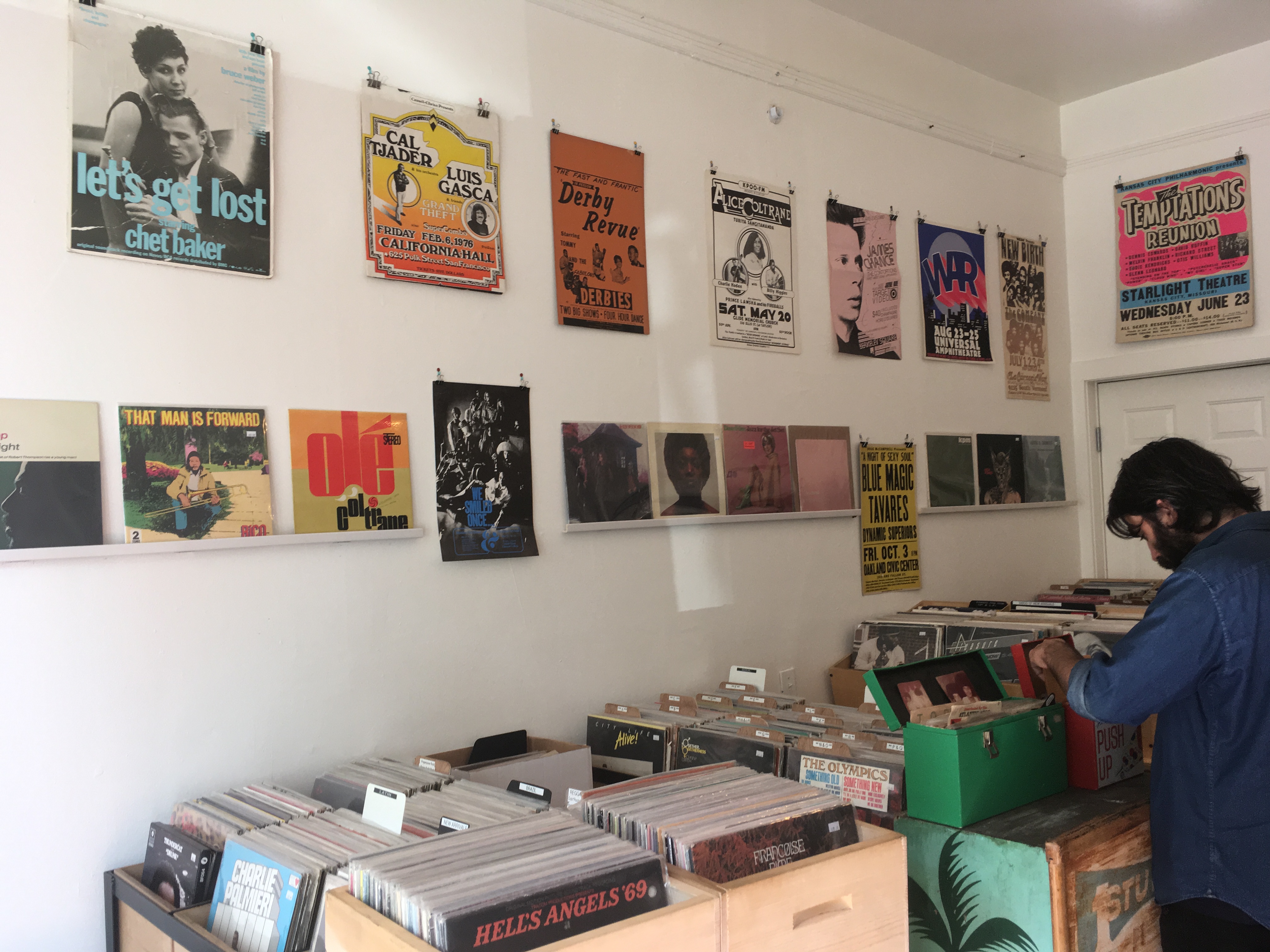
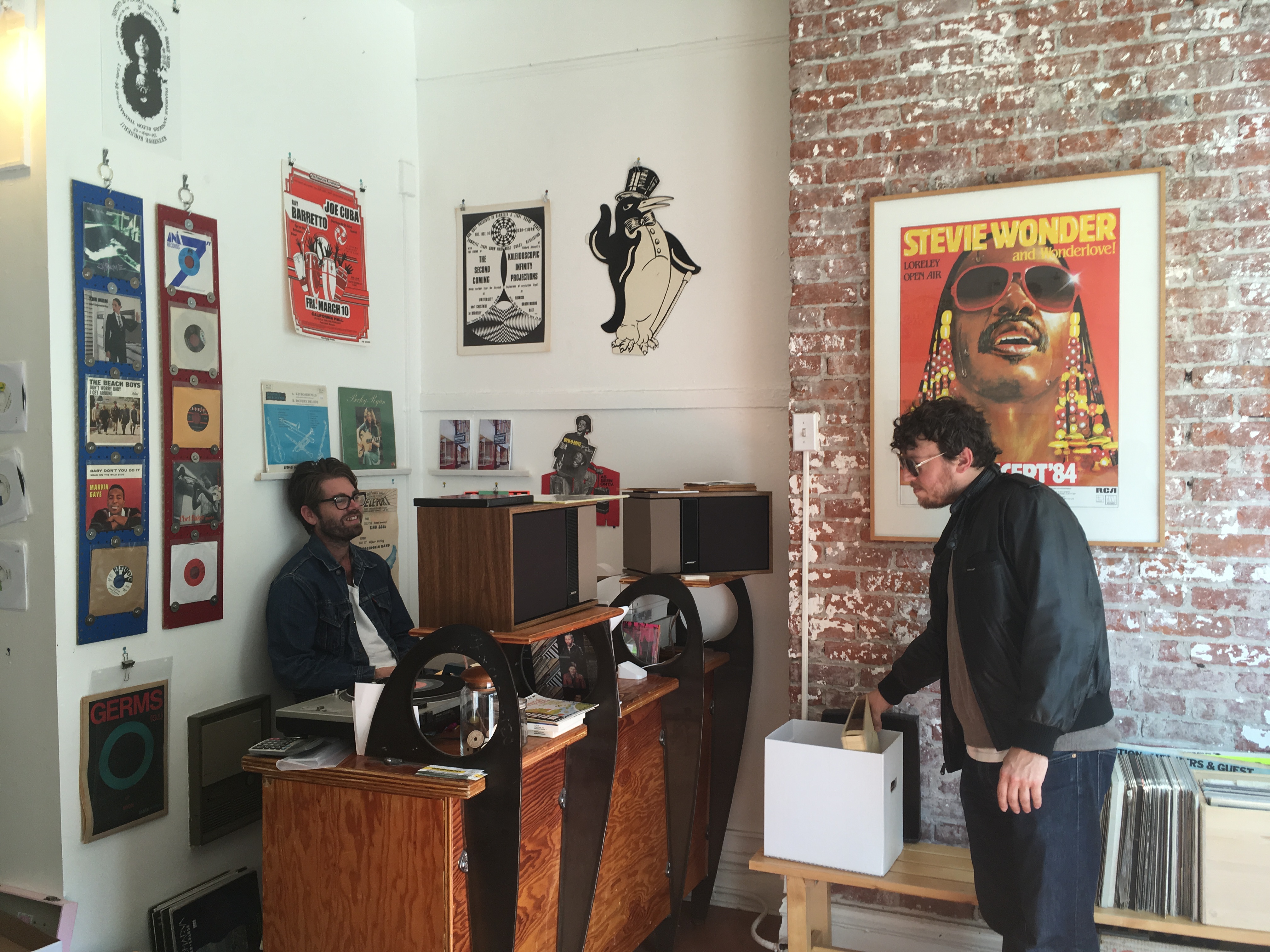
Been recovering from an exceptional trip to Oregon for the Eclipse, which coincided with my birthday. Normally I tend to get a number of records, especially if I get a chance to go to Groove Merchant. This time around, I didn’t many moments to spare and even less money, but no trip anywhere near the Bay Area is complete with a stop at Groove Merchant. Cool Chris has had to move across the street to 214 Pierce St. while the venerable shop is going through retrofitting.

IMG_4408

IMG_4409

IMG_4412

IMG_4414

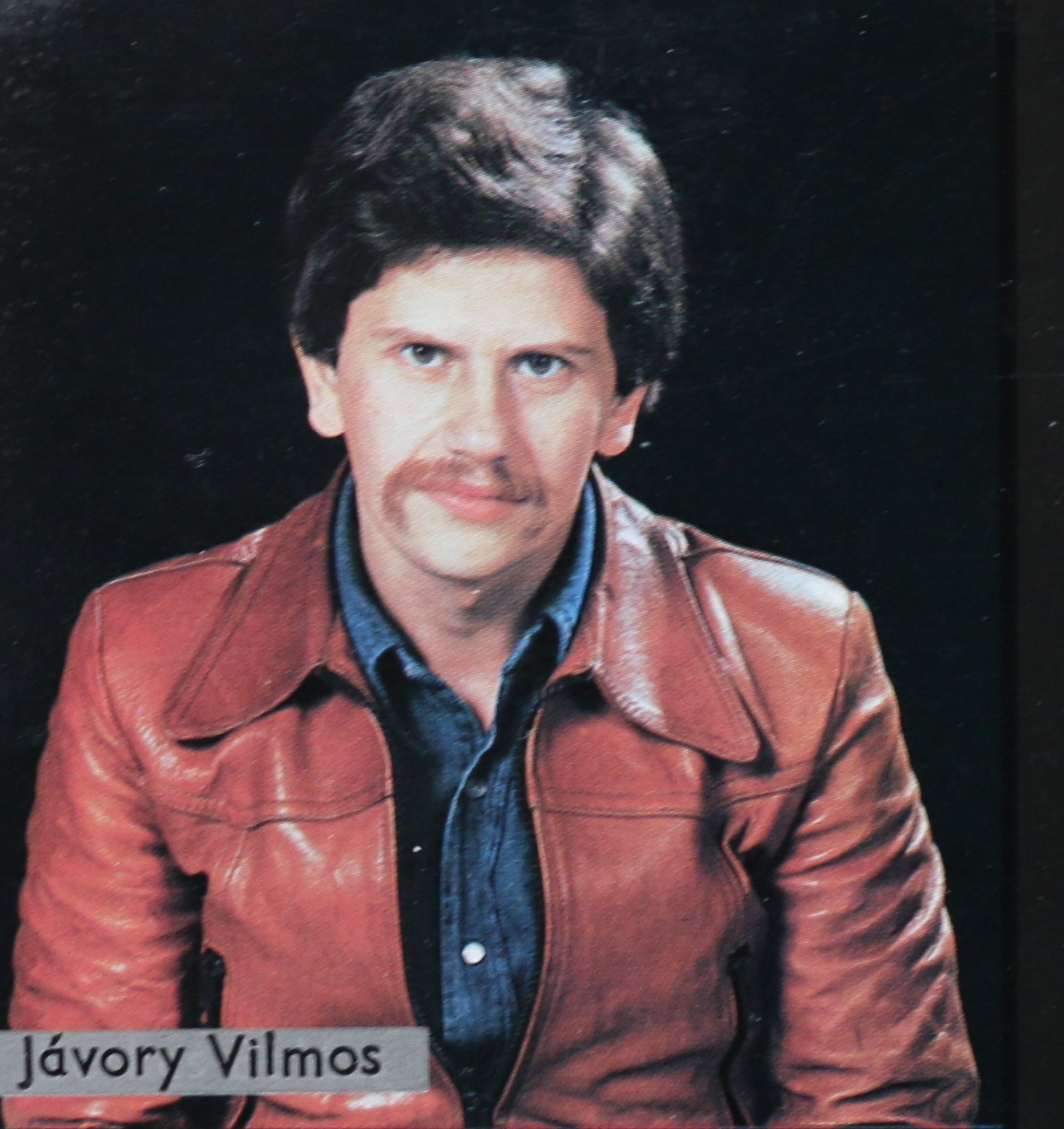
As you can see, the new spot is cozy, but the quality of records is still the same. With little time to spare, I was deciding between this album and one from Polish organist Wojciech Karolak. What put this one over the top (though in truth, I’ll probably get that Karolak record at some point in the near future) is the fantastic cover of Herbie Hancock & the Headhunters’ “Chameleon.” A major part of why I dig this song so much has to do with the drums, which are a bit tighter and tauter than on the original. Hard to believe that the dude who is layin’ down that sound looks like this.

JavoryDrummer

In addition to “Cameleon,” Csik’s crew also lay down some funky fusion on the tracks “Ritmusváltások” or “Rhythmic Changes” and “Álmodozás” or “Reverie.” Super solid addition to the library and a lasting reminder from a once-in-a-lifetime kind of trip.

Dig Deep…For The Eclipse!: Charles Mingus – Mingus Revisited – Limelight (1965)

Total Solar Eclipse over Sublimity, Oregon - 08-21-17
Total Solar Eclipse over Sublimity, Oregon – 08-21-17 foto © Michael Barnes

Charles Mingus – Eclipse
CHarles Mingus – Half Mast Inhibition
Charles Mingus – Prayer For Passive Resistance

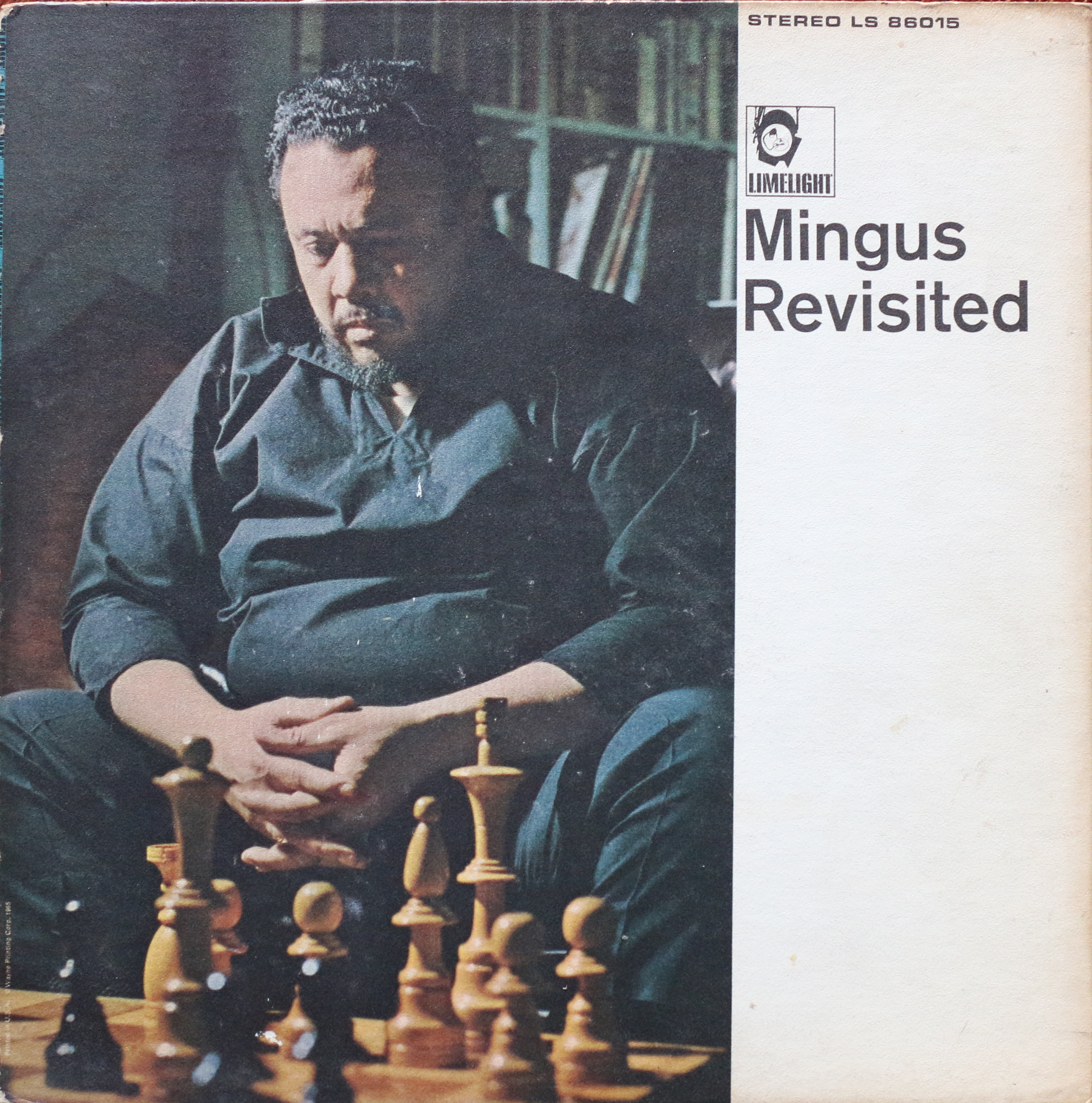
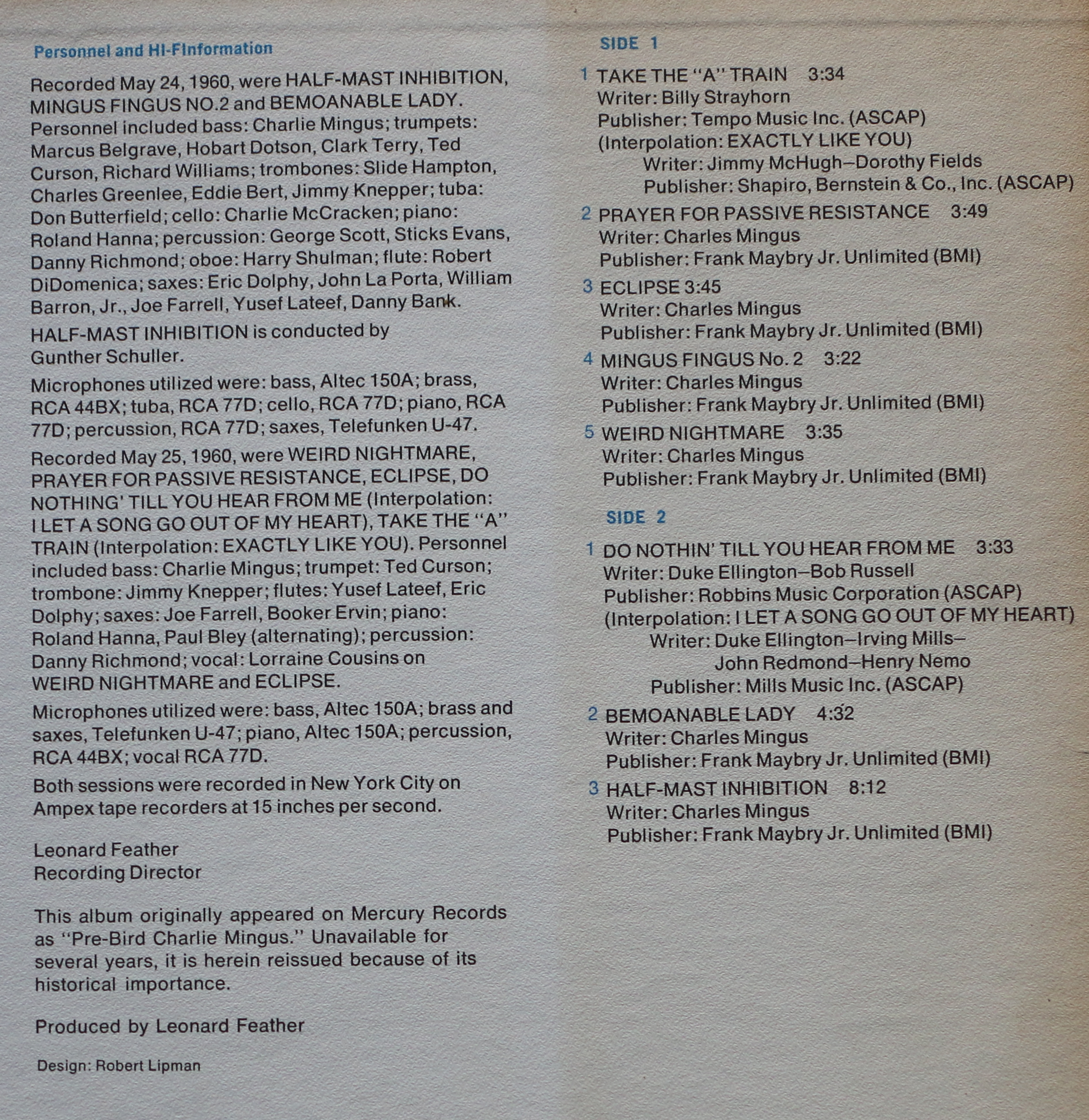
I swear I’d shared this Mingus record before, but search as I might, it seems I haven’t. This was originally released as “Pre-Bird Mingus” and there’s another Limelight pressing of “Revisited,” but this is the one to search for. As with the Rahsaan record shared earlier in the month, this was part of this exceptionally beautifully crafted Limelight series, each unique in their own ways. There’s no doubt why this album has been on my mind of late, and that’s because of the Solar Eclipse that is arriving here in the U.S. on my birthday! “Eclipse,” like the celestial event it is named for, is a rare vocal tune written by Mingus, and sung hauntingly by Lorraine Cousins.

Eclipse – Written By Charles Mingus

Eclipse, when the Moon meets the Sun,
Eclipse, these bodies become as one,
People all around, eyes look up and frown,
For it’s a sight they seldom see,
Some look through smoked glasses, hiding their eyes,
Others think it’s tragic, staring as dark returns,
But the Sun doesn’t care,
And the Moon knows no fear,
Destiny’s making the choice,

Eclipse, the Moon has met the Sun,
Eclipse, two loves, Sad Child, as One,

But the Sun doesn’t care,
And the Moon knows no fear,
For Destiny’s making the choice,

Eclipse, the Moon has met the Sun,
Eclipse, two loves are joined as one.

Though most of the album finds Mingus squarely within his “Duke Ellington Gone Insane” style, it does also feature are fairly rare step towards “Classical Art Music,” with “Half-Mast Inhibition,” where Mingus makes great use of one of his largest recorded ensembles, a 20+ group, including Eric Doplphy, Booker Ervin and Yusef Lateef.

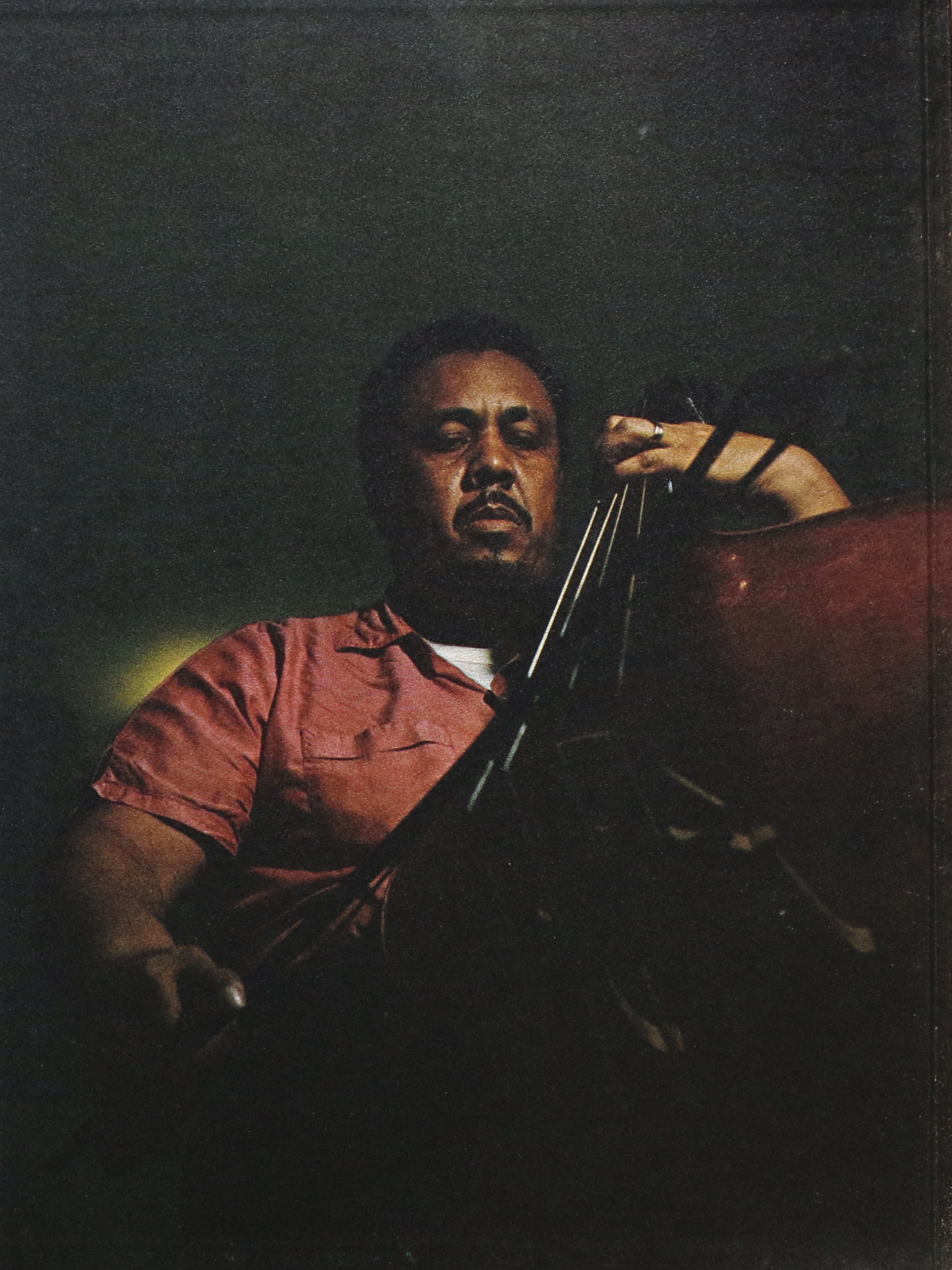
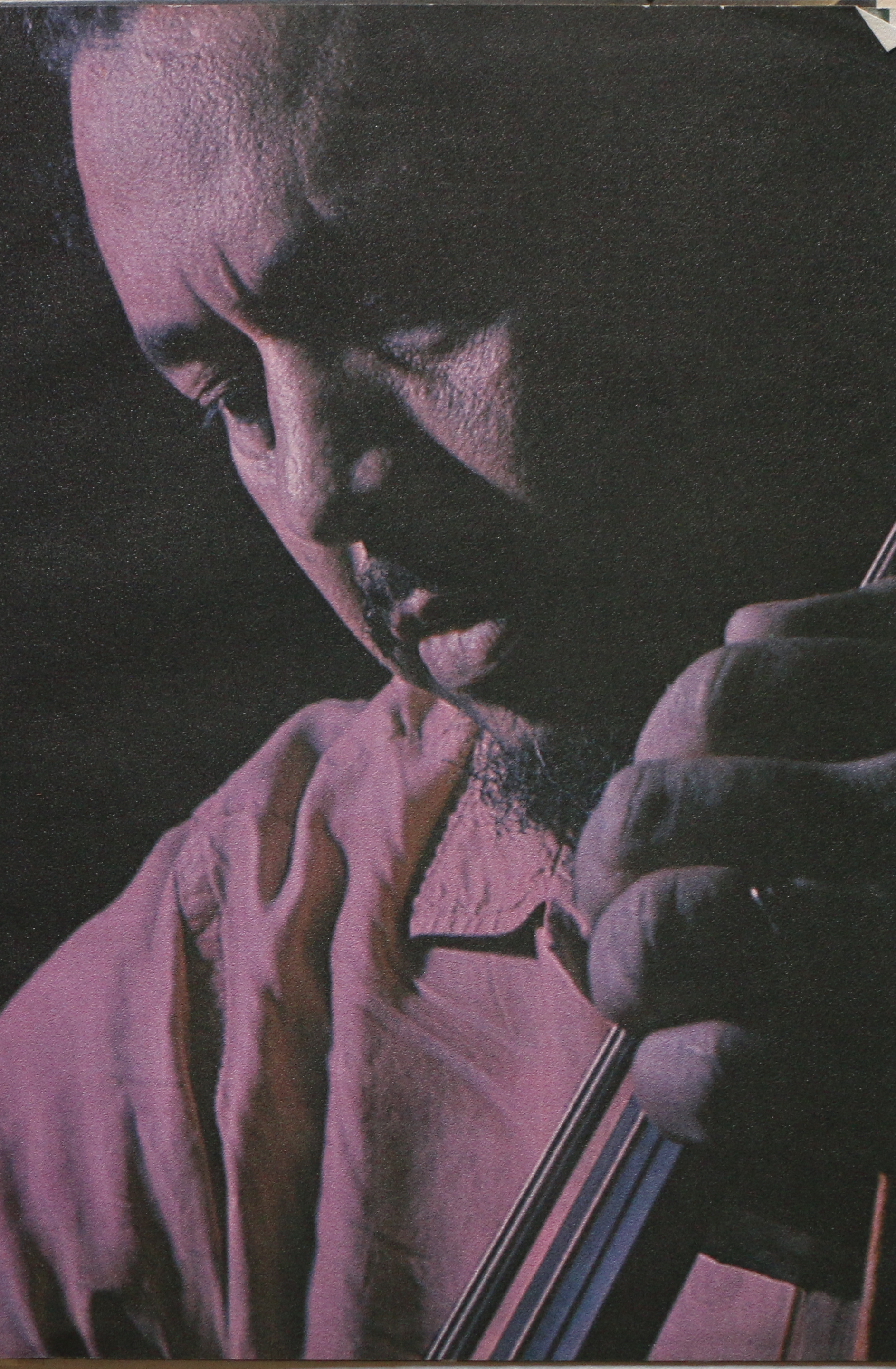
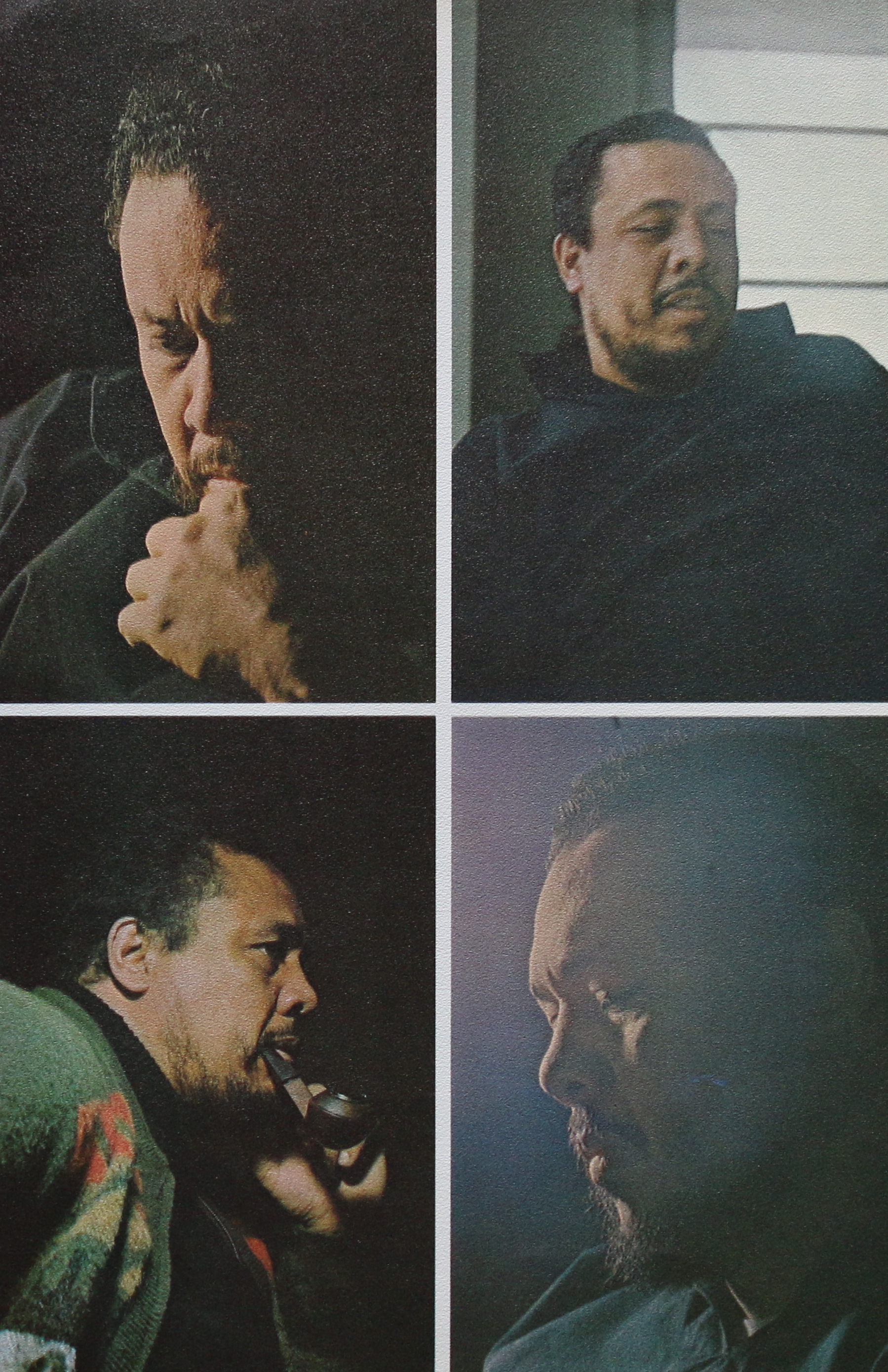
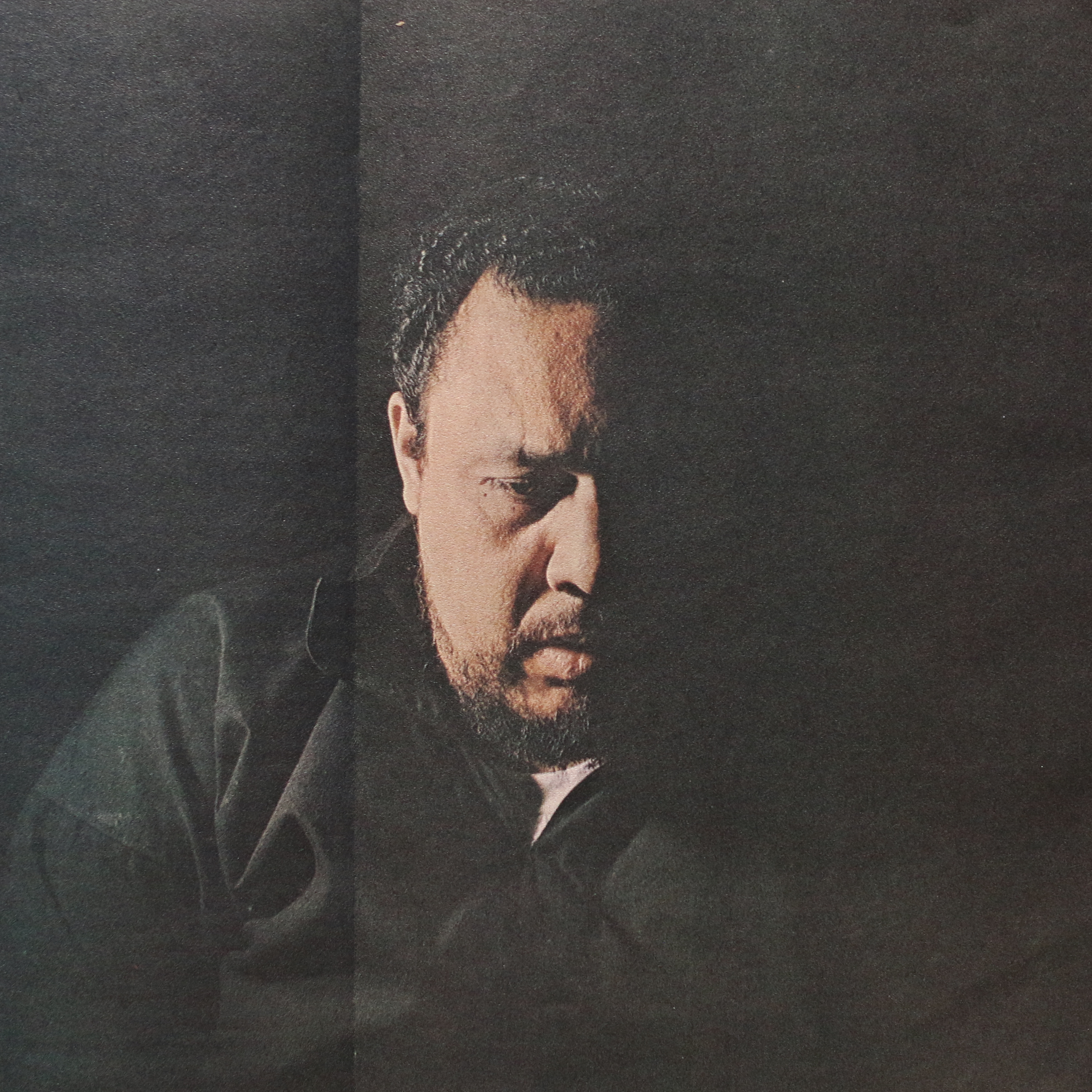
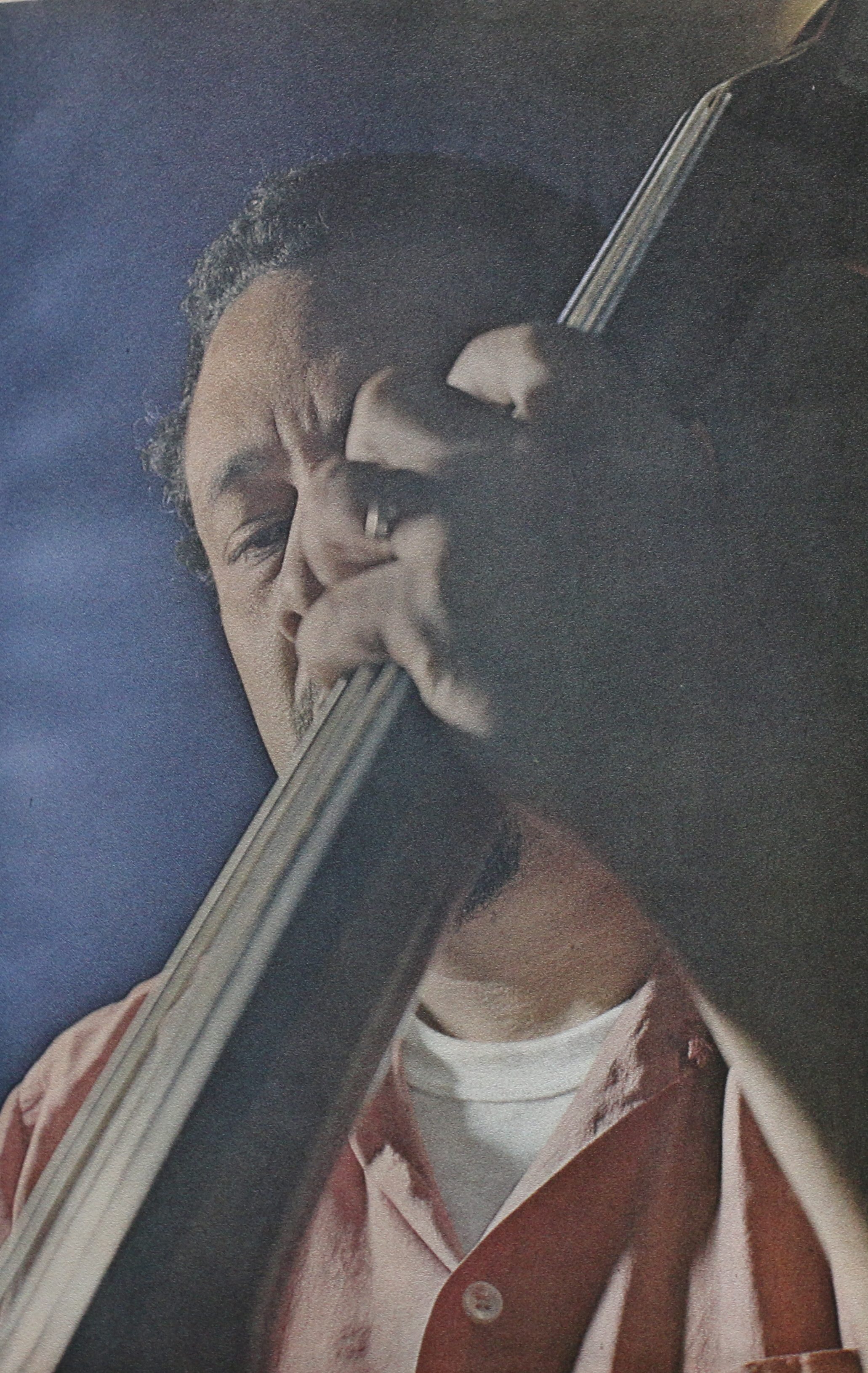
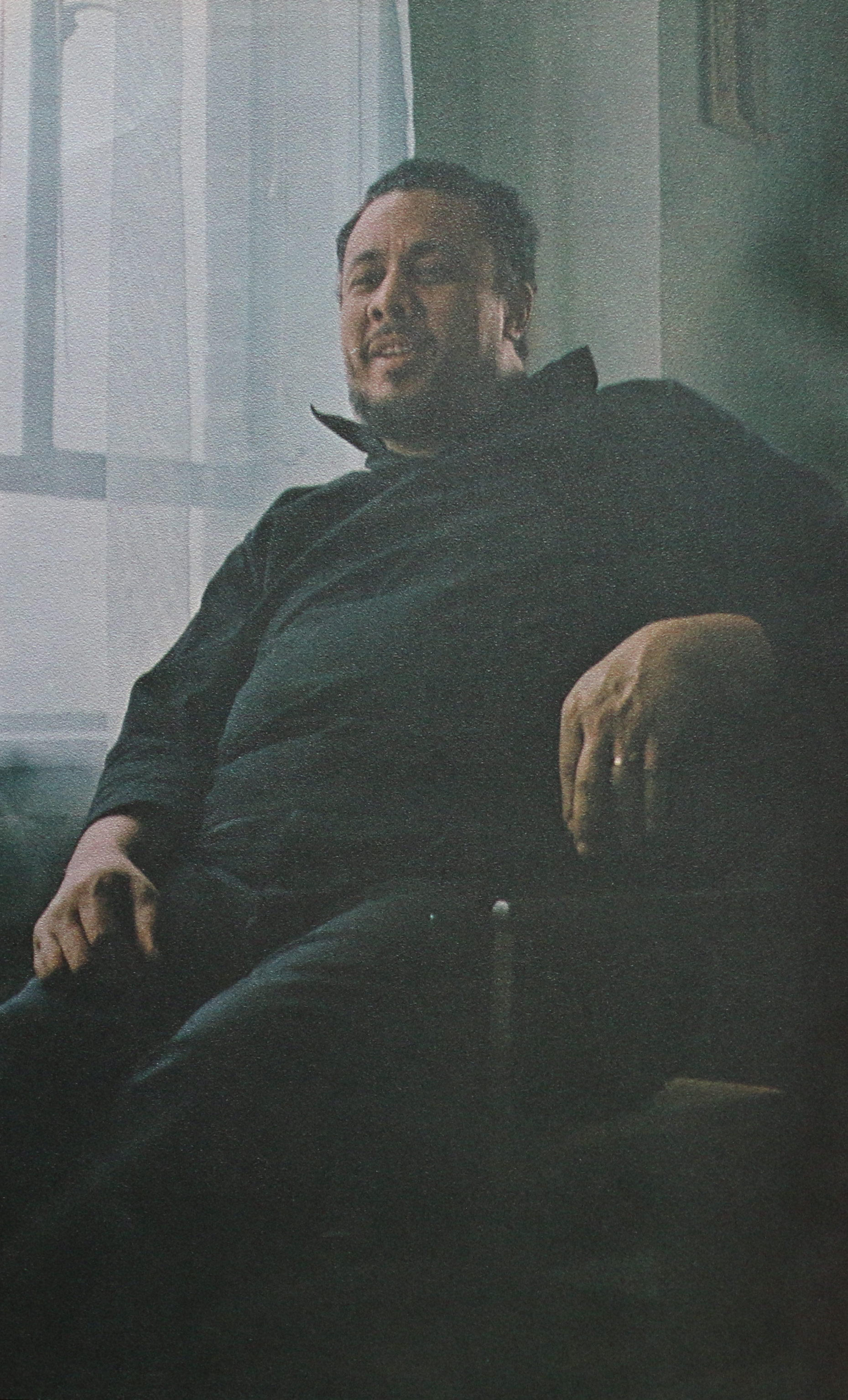
As this was recorded in 1960, it also features one of Mingus’ earliest protest songs connected to the struggle for Civil Rights, “Prayer for Passive Resistance.” Musically, this stands as one of the most interesting dates in Mingus’ discography, visually it is a rare treat indeed, especially with all the different portraits of Mingus, in his various moods.

MingusCover

MingusInside1

MingusInside2

MingusInside3

MingusInside4

MingusInside5

MingusInside6

MingusInside7

Dig Deep: Rahsaan Roland Kirk – Slightly Latin – Limelight (1965)

RahsaanLatinCover

Rahsaan Roland Kirk – Walk On By
Rahsaan Roland Kirk – Raouf
Rahsaan Roland Kirk – Safari
Rahsaan Roland Kirk – Ebrauqs

As is our custom here on Melting Pot, on this day, August 7th, we always pay tribute to our patron saint, Rahsaan Roland Kirk, on what would have been his 82nd birthday. Slightly Latin is a record that I picked up earlier in the year, during a lightning quick stop at Montebello’s Record Jungle. The title clearly references the use of latin colors and flavors, particularly through the use of percussionists Montego Joe and Manuel Ramos.

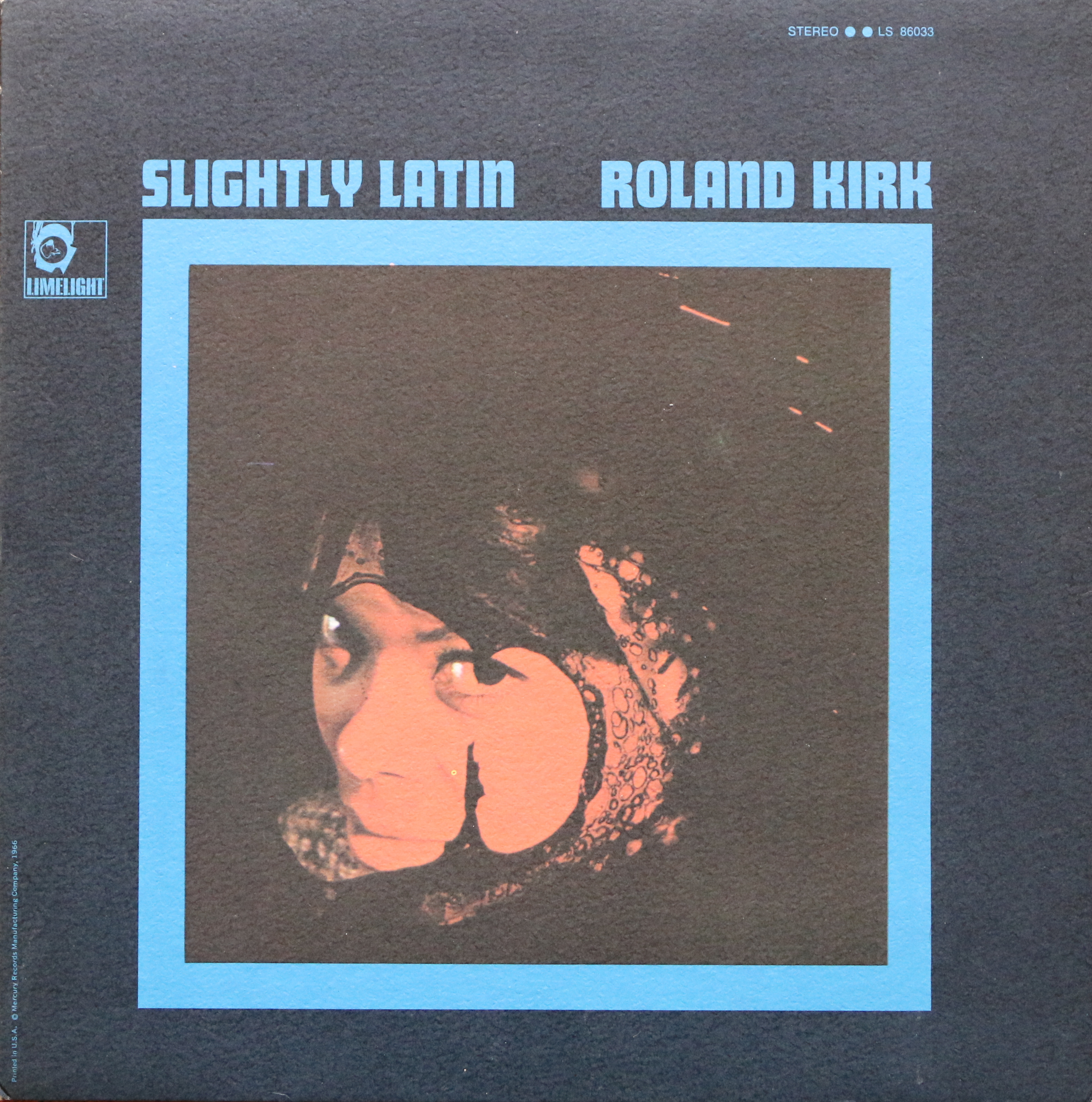
Many moons ago, I used to own this music as part of the Complete Mercury Recordings collection. I’d never seen the original vinyl release until I happened upon it at the Jungle. As you can tell, this was part of Limelight’s exquisitely designed series of albums in the mid-1960s, in this case by Daniel Czubak. I’m not sure there are more lovelier designed albums than this series. At least three of Kirk’s albums are featured in it (I Talk With The Spirits and perhaps my favorite from this era, Rip, Rig & Panic) and each one is unique and beautiful in it’s own way. This one was not only designed by Czubak, but also features his very evocative photography, all featured below.

Of course, the real draw is the music, and as always Rahsaan doesn’t disappoint. One of the things I most appreciate about Rahsaan’s work is how he plays around with conventions, especially on popular tunes. Right from the start of “Walk On By,” you know this isn’t going to be the usual treatment as you get this big booming horn sound, that to my ears sounds like Rahsaan doubling his Baritone sax (though he most solos on tenor in the song) with trombonist Garnett Brown. There are few players who could have blown that strong and that long without the use of either additional players or overdubs, but with his circular breathing technique, Rahsaan extends that note for what seems like an eternity. The song is also frequently punctuated by Rahsaanisms such as “Yes, Walk It! Walk It!” and “Strut! Strut!”

“Raouf,” features some largely wordless singing (well, wordless, aside from the title being repeated many times) and, according to the liner notes quoting Rahsaan, was named for a woman who, “had an American name, but she got on the bandwagon with this new African thing, letting her hair grow out natural and changing her name, which used to be Ruth.”

“Safari,” perhaps the standout of the album, was composed by Rahsaan’s bassist for this session, Eddie Mathias. The tune features studio guests on all manner of whistles, flutes and bells, a mainstay of Kirk’s live performances. While “Safari” might be my favorite track on the album, “Ebrauqs” is a really interesting one. It’s without a doubt the most “out” piece on this record, which is interesting given that the title in reverse is “almost Square” (I suppose technically it’s “Squarbe” but when you think about it “Squarbe” IS almost the same as “Square,” just with an additional letter). Rahsaan was often interested in breaking through to “Squares” and breaking “Squares” out of their self-imposed conventional boxes. Perhaps more than any other musician of the 1960s/1970s Rahsaan was able to expertly bridge the gaps between the popular and the avant-garde, and part of what Slightly Latin shows is how he could make “out” sounds more “in” and make “in” sounds more “out,” making it possible to bring everyone together for all the beautiful bright moments Music allows us.

Bright Moments…

RahsaanLatin1

RahsaanLatin2

RahsaanLatin3

RahsaanLatin4

RahsaanLatin7

RahsaanLatin5

RahsaanLatin6

RahsaanLatinLAst

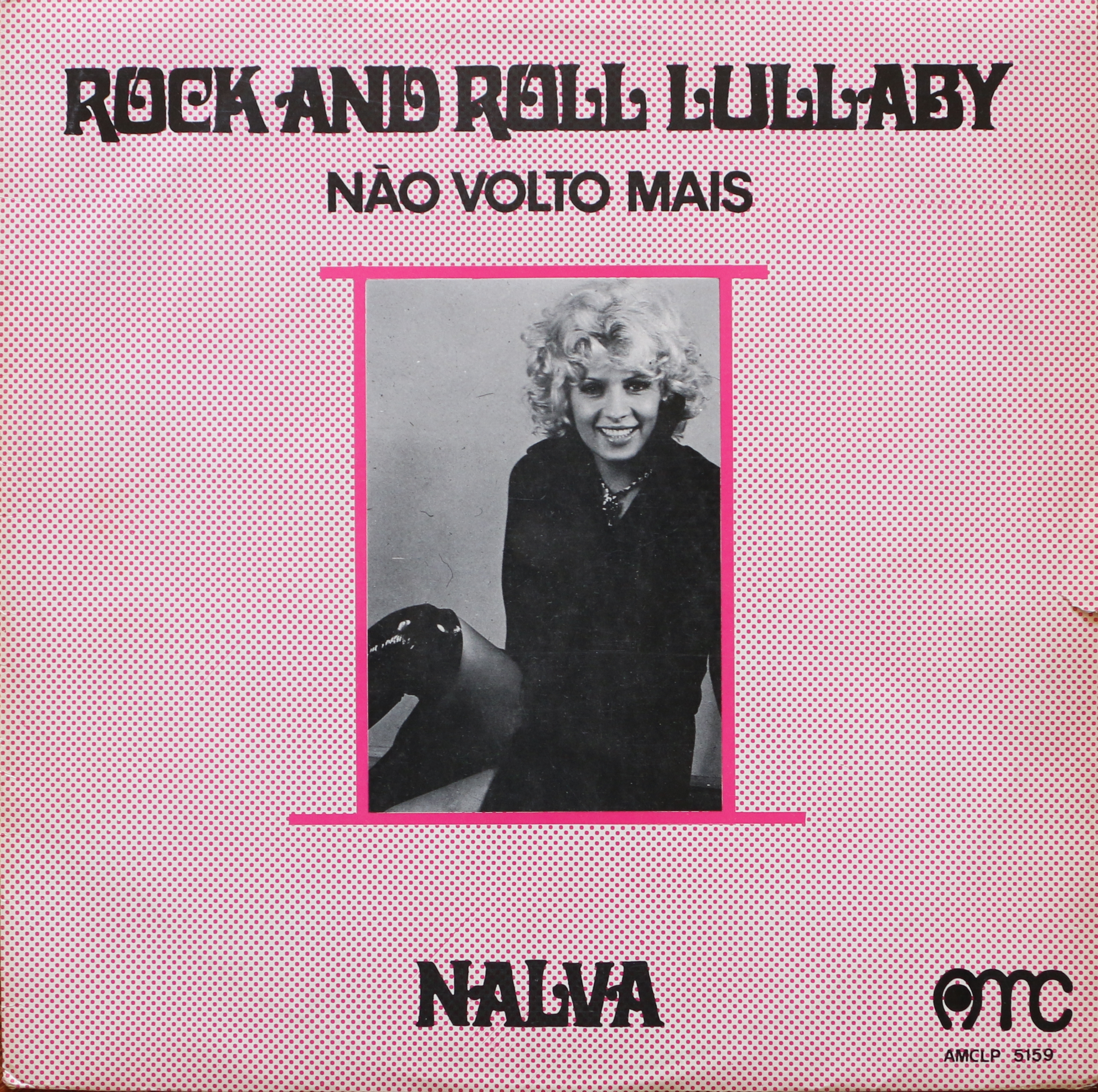
Dig Deep: Nalva Aguiar – Não Volto Mais (Rock And Roll Lullaby) – AMC (1972)

NalvaCover

Nalva Aguiar – Véu De Noiva
Nalva Aguiar – Menino
Nalva Aguiar – Não Corto Mais Os Meus Cabelos

Here’s another “Post-It” record picked up from Joel of Tropicalia In Furs. In this case, the note brought attention (with I think five exclamation points) to “Véu De Noiva,” which as you’ll hear is a dancefloor ready slice of Brasilian psych funk. I’ve tried to find more info about this particular record, but there isn’t much on online. It seems to be a mix of songs from her debut, perhaps with singles. “Menino” has an almost Tropicalia meets Muscle Shoals sound to it, and “Não Corto Mais Os Meus Cabelos,” opens with a horn and bassline that I could loop for days and never tire of hearing it’s slinky sound.